Oeiras
RIVER ECOSYSTEM – TAGUS ESTUARY
Oeiras hugs the northern shore of the Tagus estuary, a coastline punctuated by the largest ensemble of maritime fortifications in the world — many of them currently disused. It is a territory of thresholds – between river and sea, between urban density and natural landscape, between a deep maritime history and an uncertain coastal future. The Vasco da Gama Aquarium, one of the oldest in Europe, sits at the heart of the pilot area, alongside the Bugio Lighthouse, which stands on a small island in the middle of the estuary mouth.
Facing challenges of marine biodiversity loss, overfishing and the gradual erosion of sea-facing culture, the Municipality of Oeiras used its participation in BoS as a springboard towards an ambitious long-term goal: repositioning the city as a hub for sea-based research, education and cultural production, anchored by the future Museum of the Tagus.
The pilot's demonstrator drop was Ocean Literacy — brought to life through two complementary art-science residencies, with the Aquário Vasco da Gama and CAM Gulbenkian serving as its primary institutional nodes.
The Drops
The Ocean Literacy drop was implemented through two complementary artistic residencies, each approaching the Tagus from a different angle.
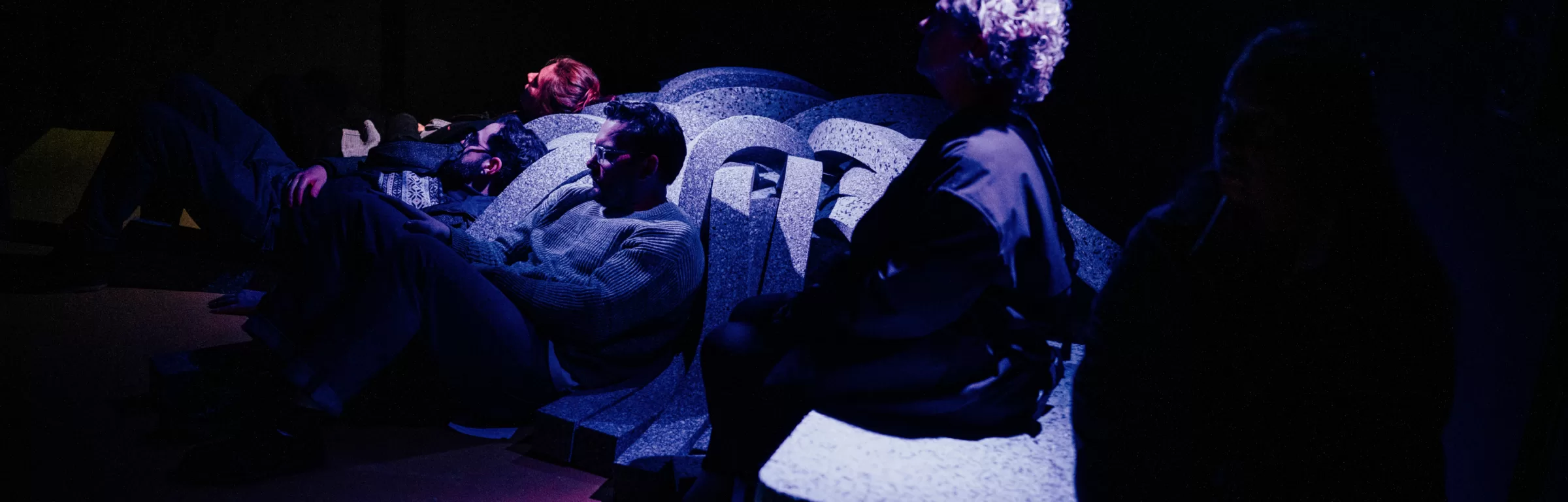
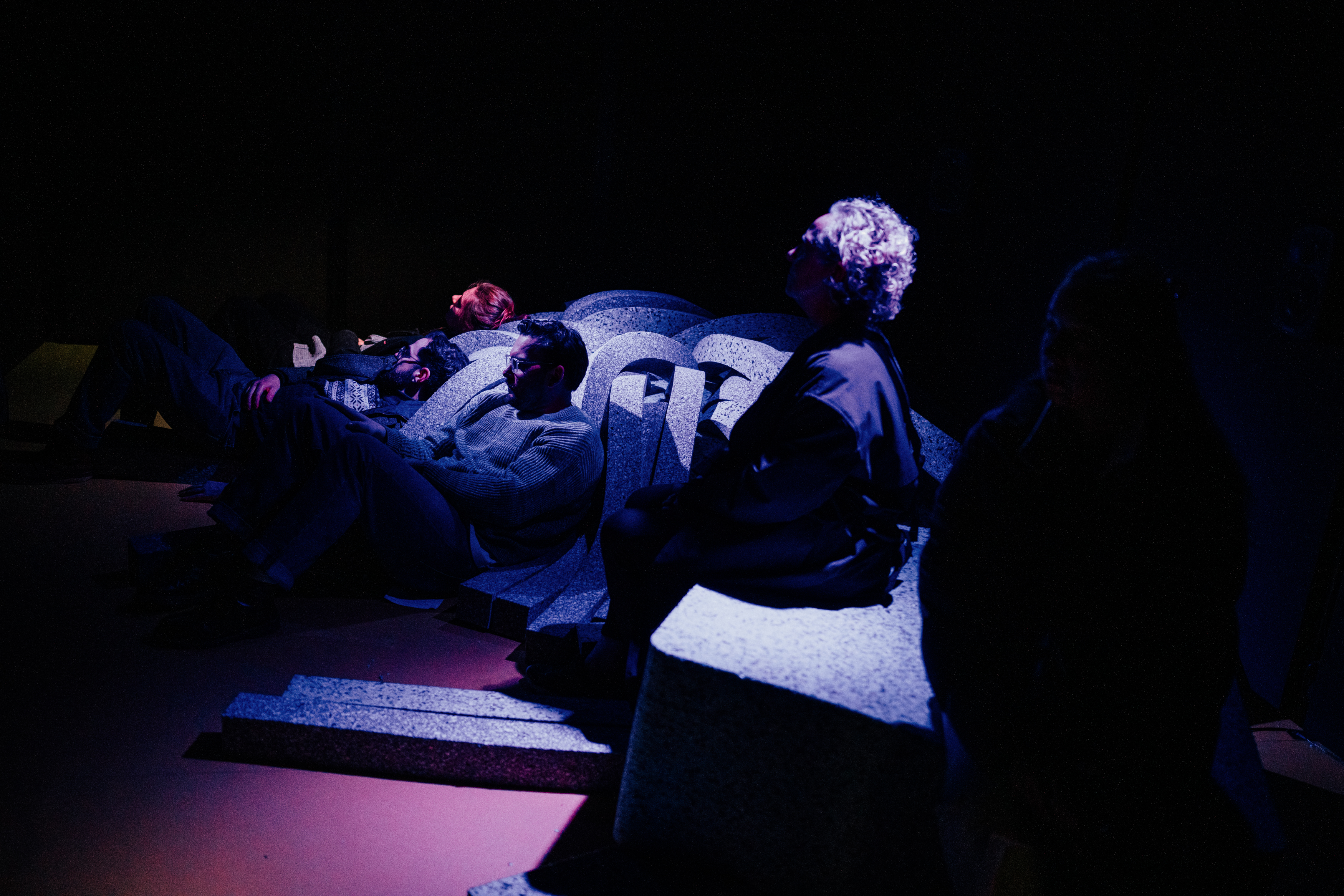
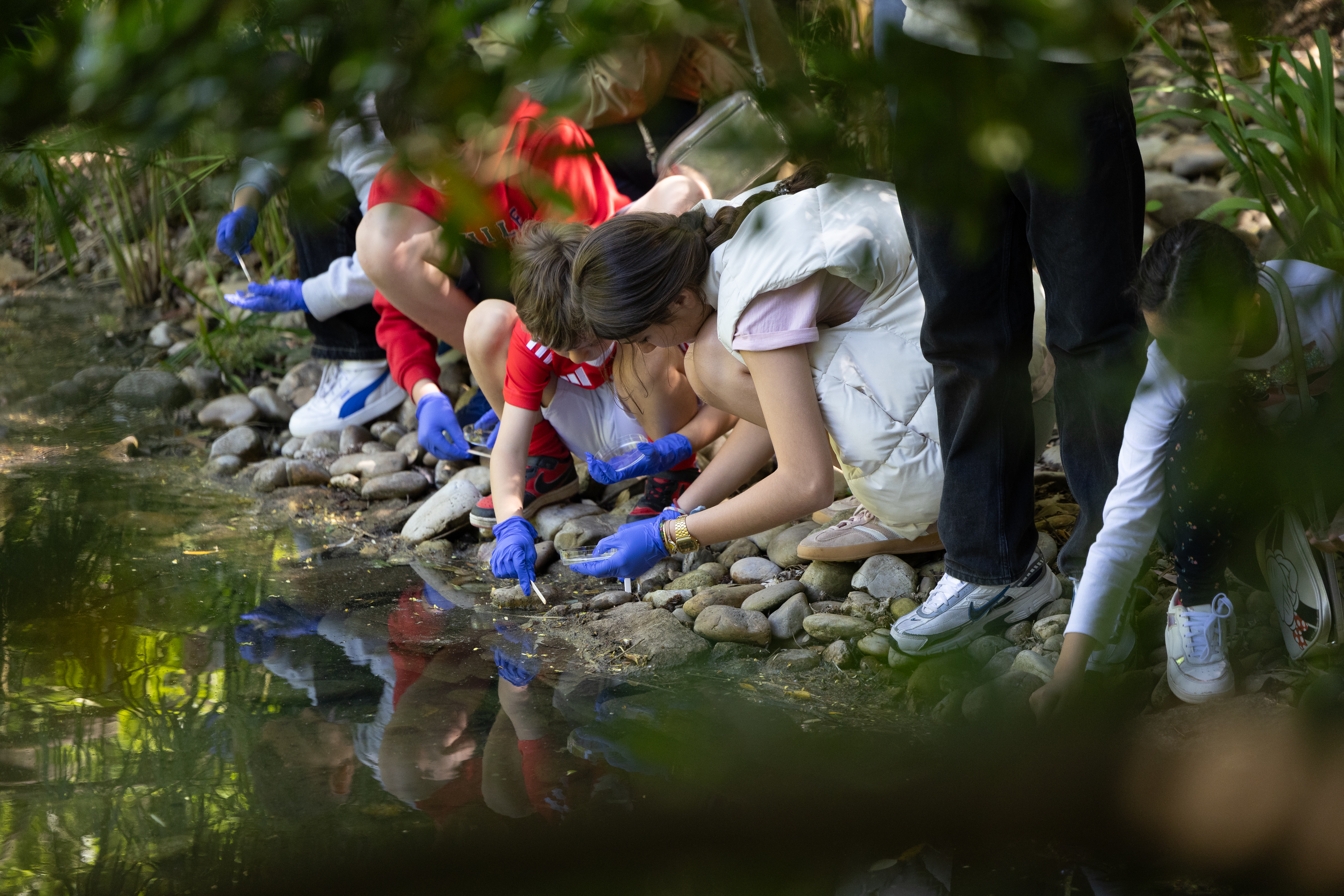
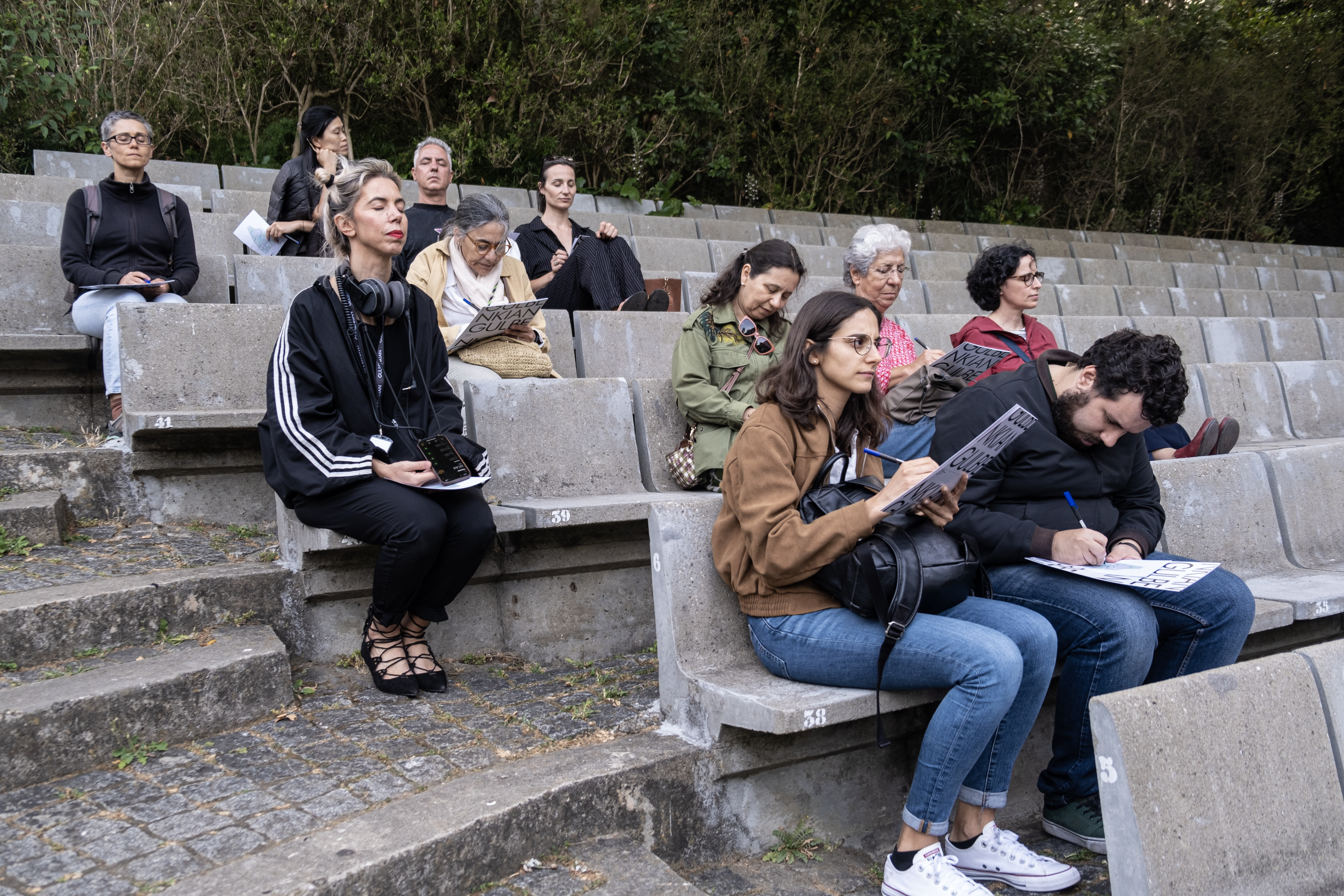
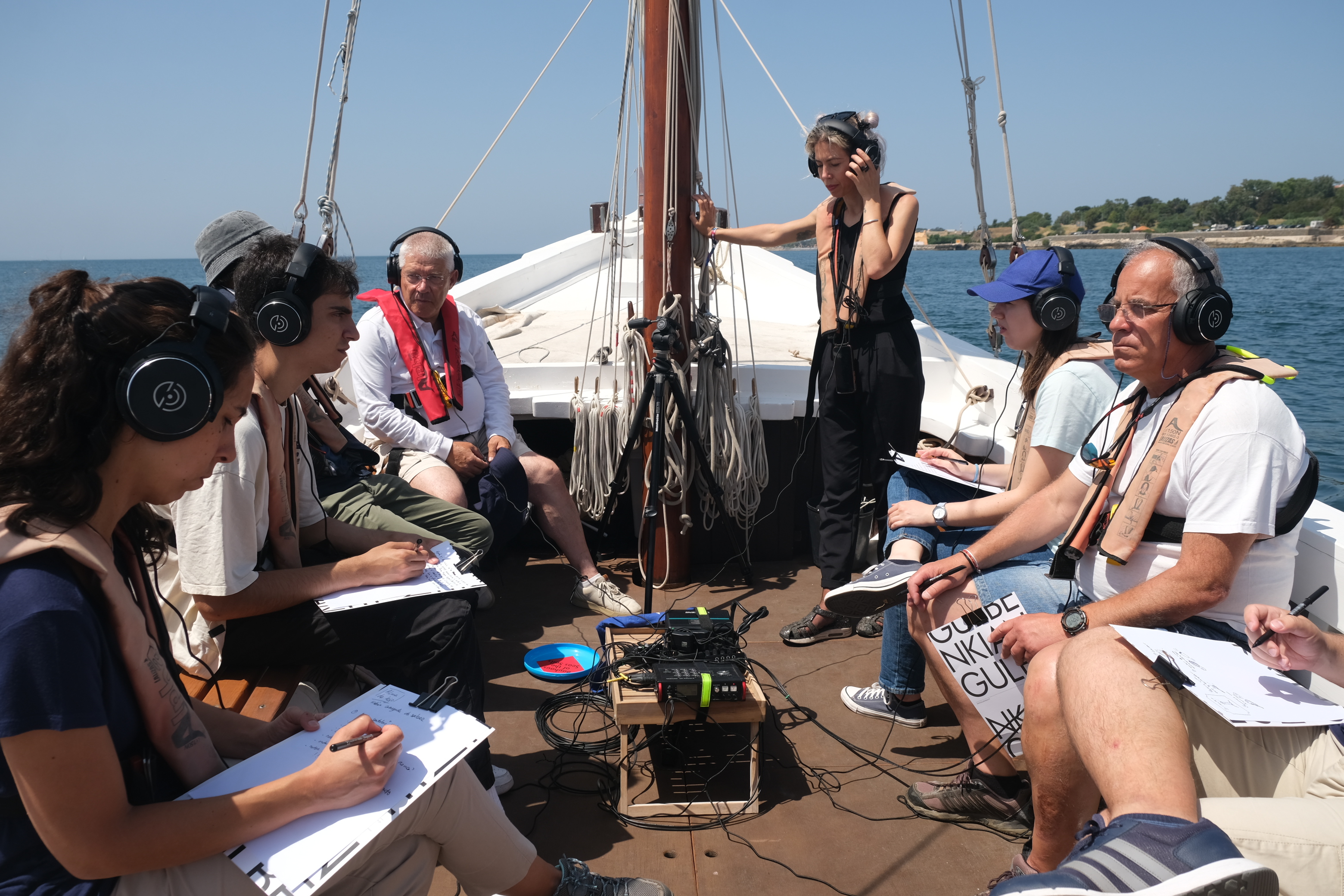
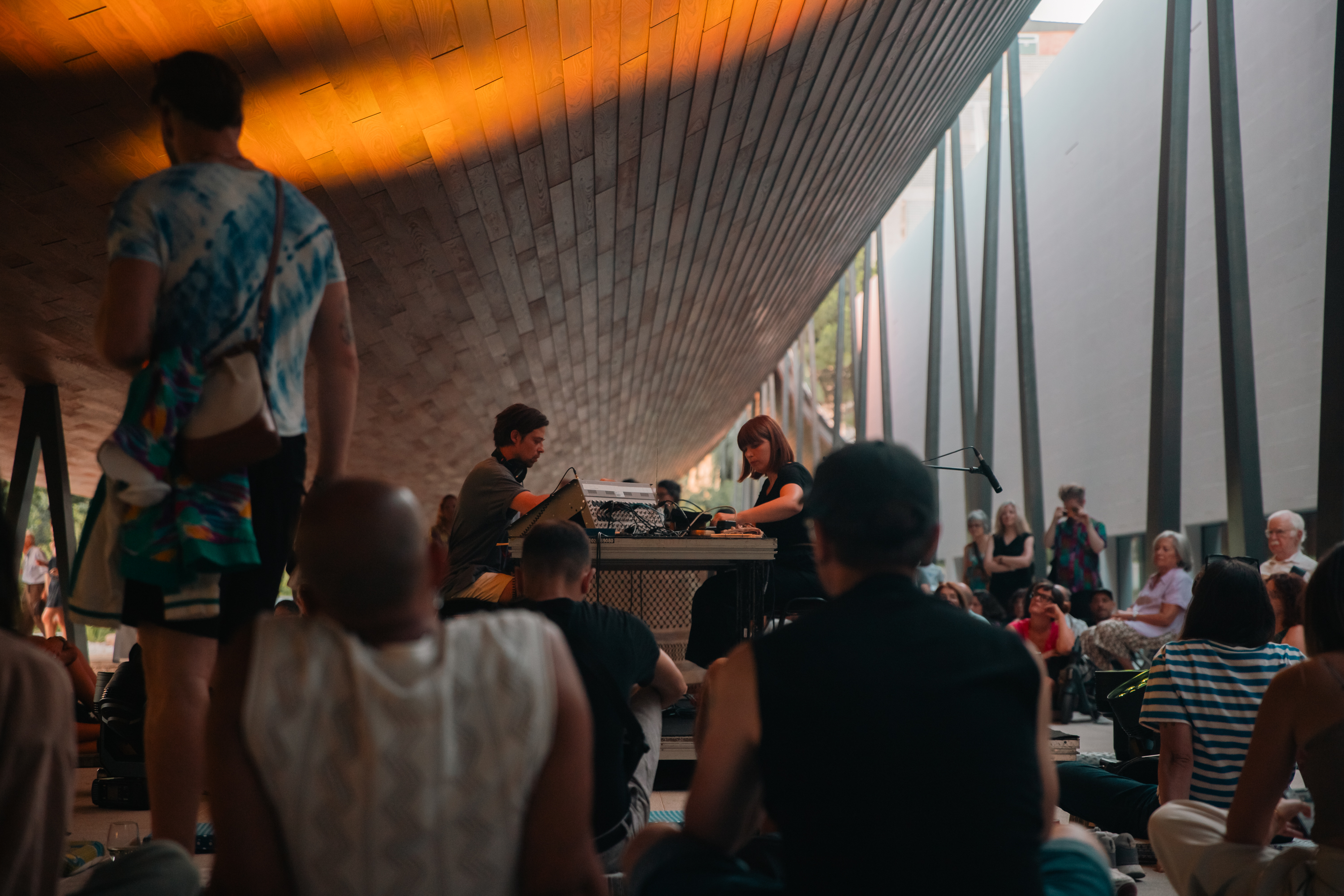
Underwater Ecotones, developed by Francisca Rocha Gonçalves through the residency programme A Call to the Sea, translated environmental sensing of the Tagus into a sound installation – Interferências no Tejo – presented at CAM Gulbenkian from February to May 2025. The work engaged with the river through listening: capturing its frequencies, its rhythms, its biological activity and making them audible to an audience that might never otherwise encounter them.
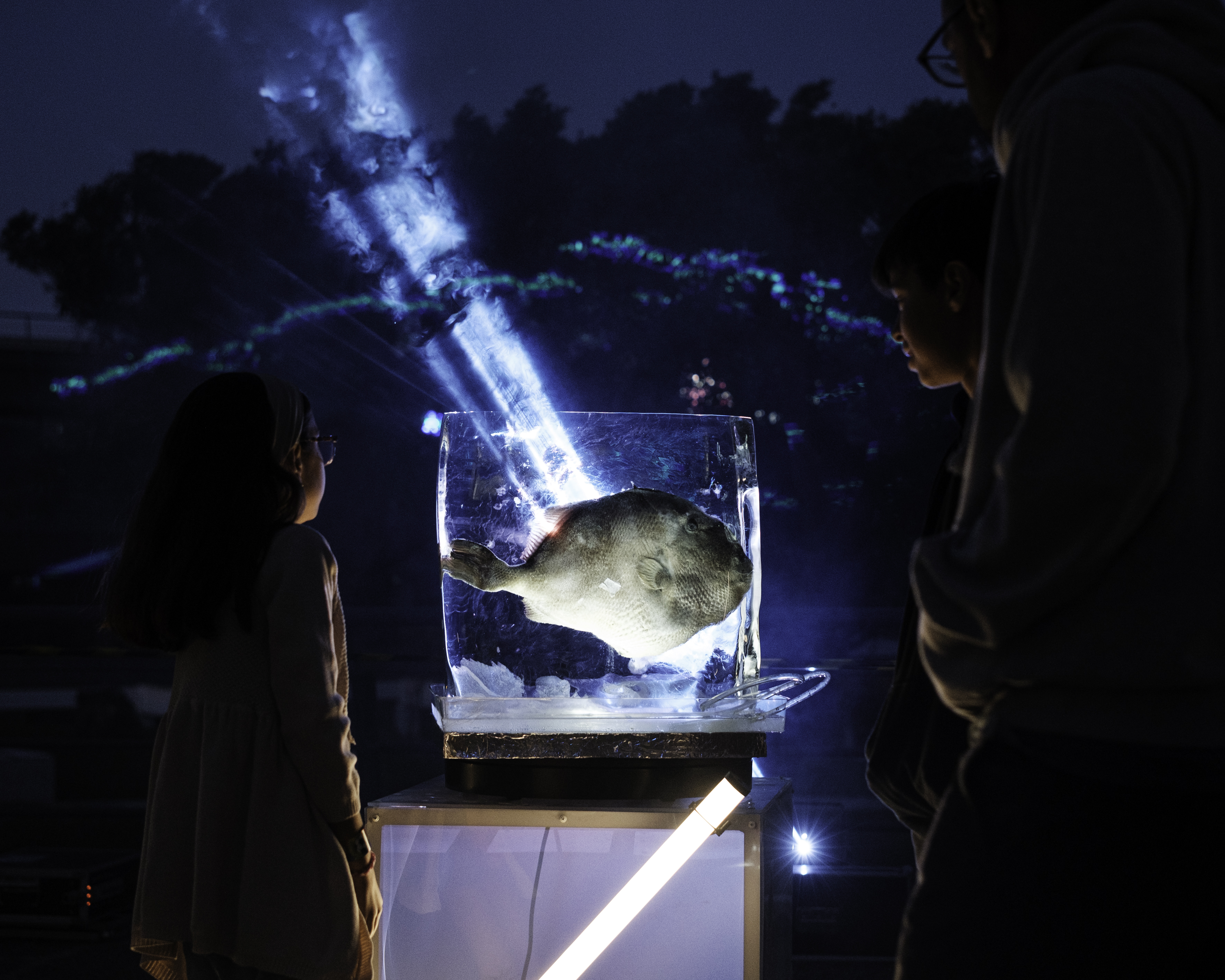
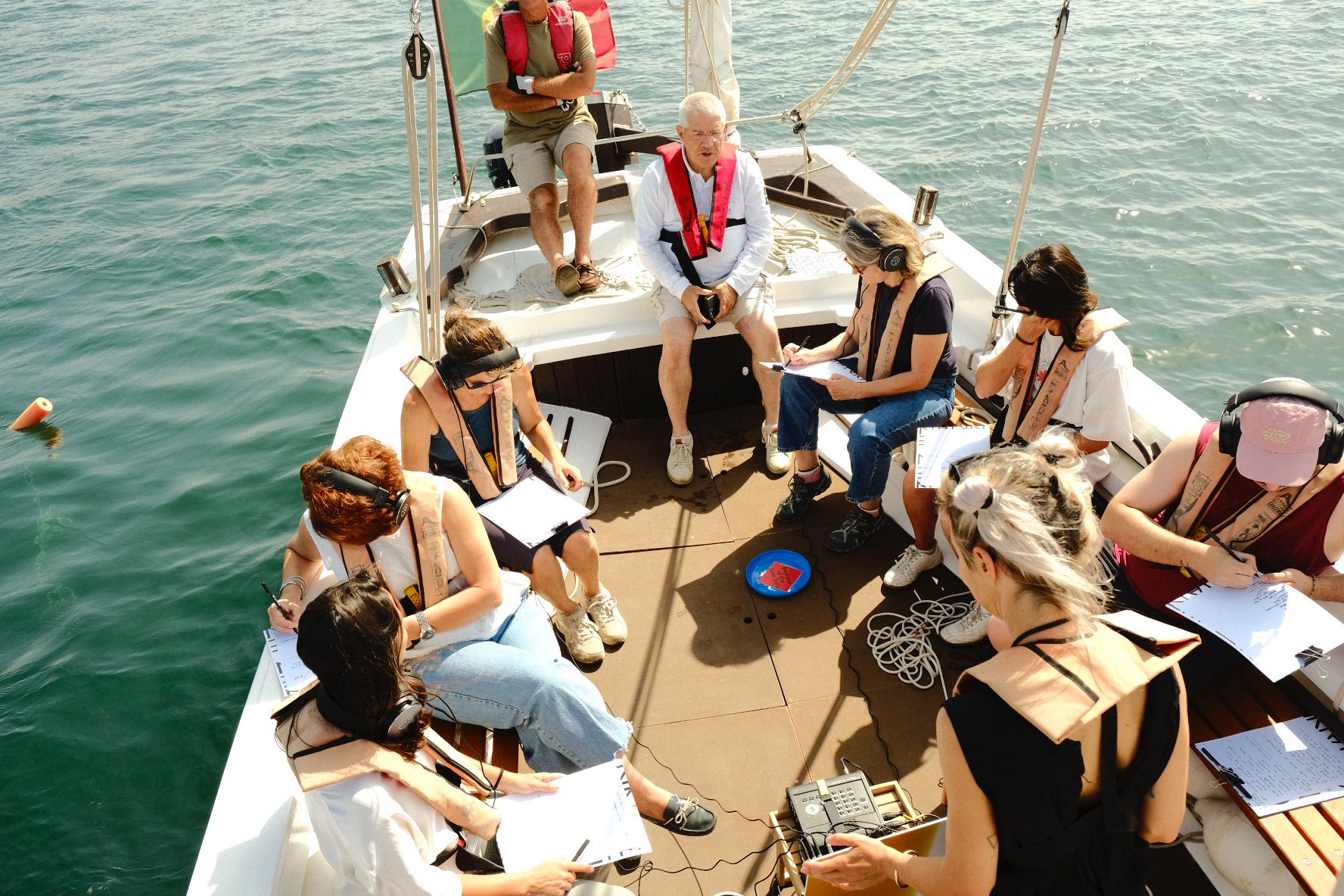
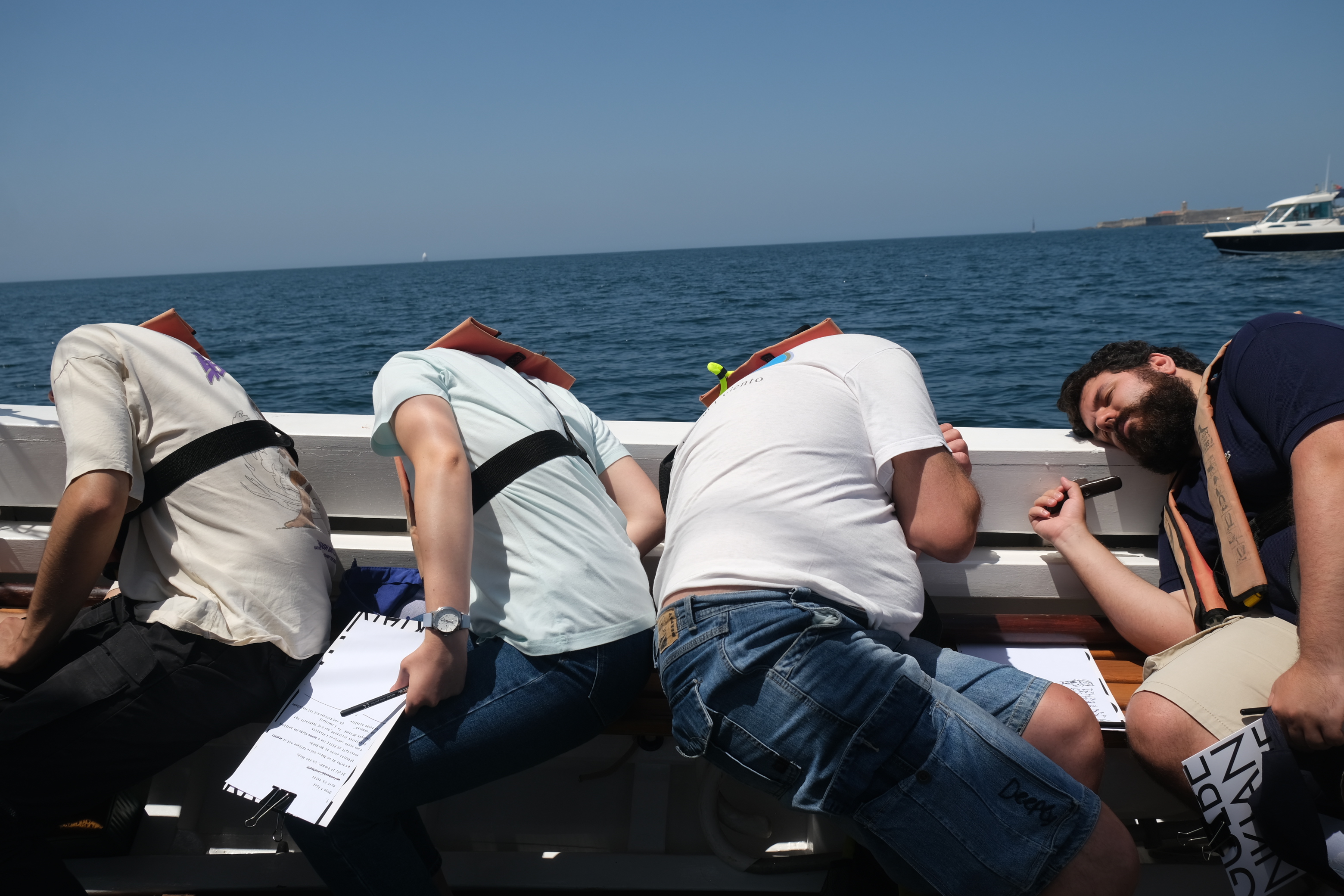
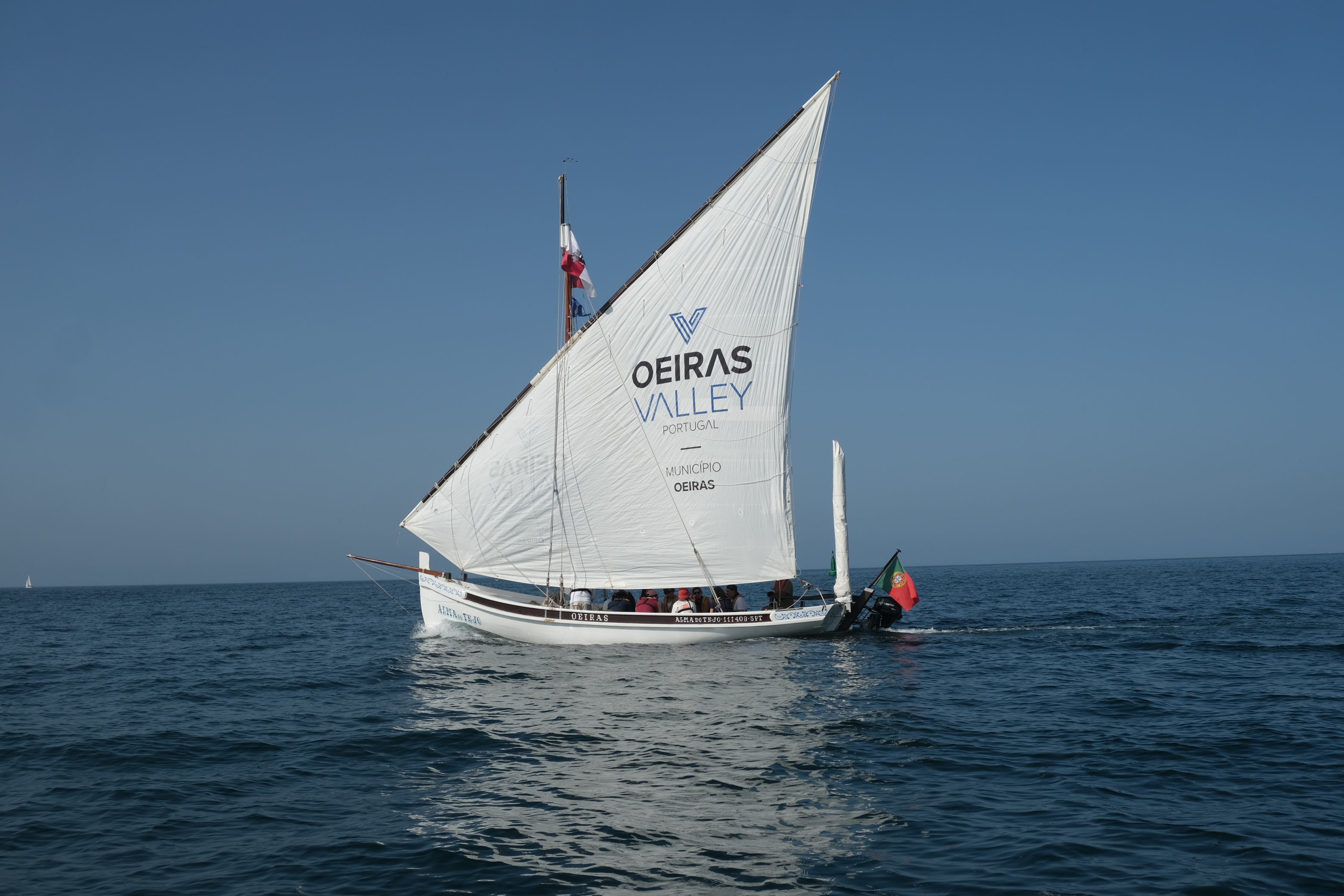
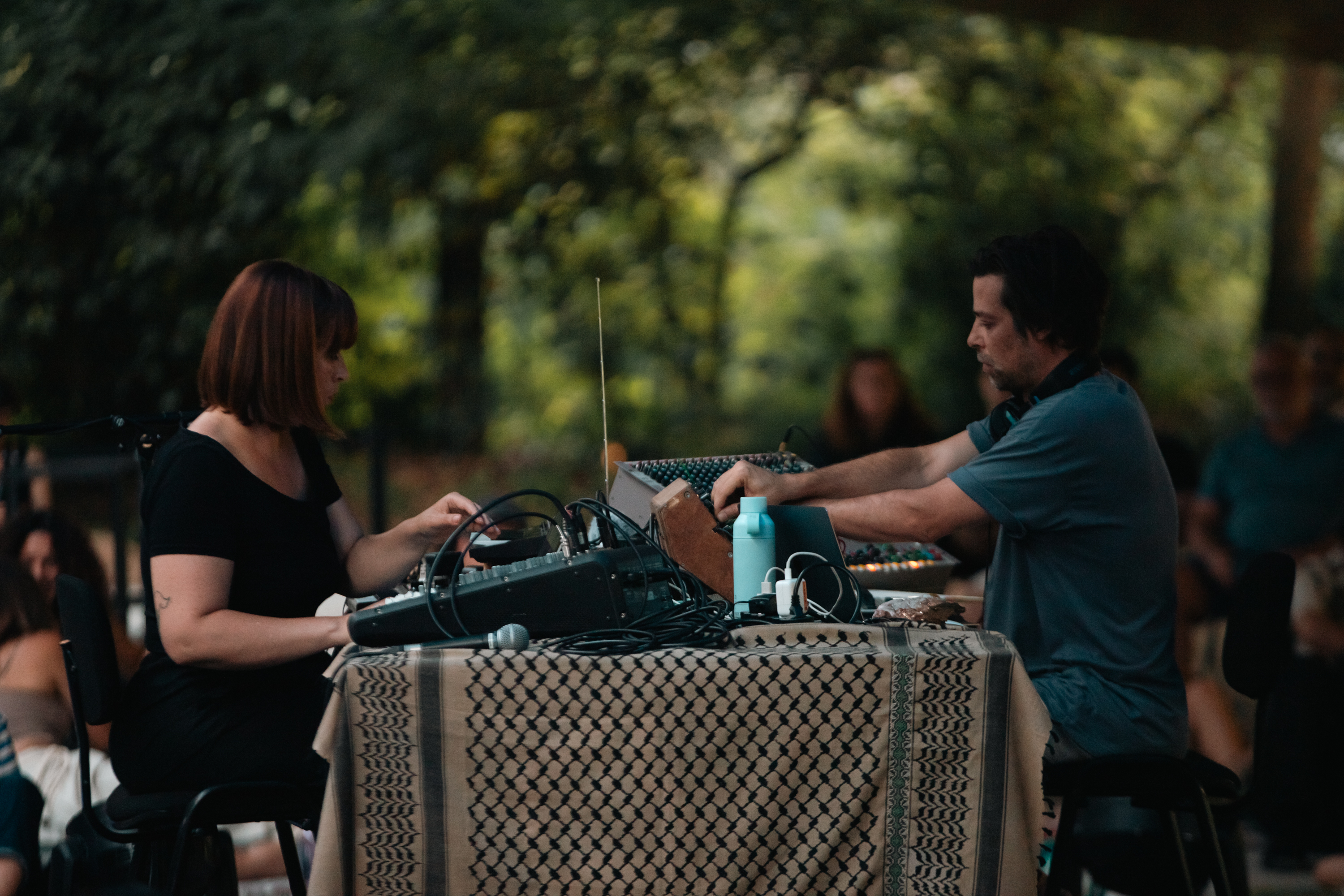
Rádio-Estação do Bugio, developed by Diana Policarpo and Bernardo Gaeiras, temporarily transformed the Bugio Lighthouse into a platform for artistic, scientific and environmental research. Perched at the threshold between the Tagus and the Atlantic, the lighthouse became a site for transmission and reflection – a place to listen to the river and to think about what it means to speak on its behalf.
Alongside the artistic residencies, the pilot developed a DAO governance prototype for the Vasco da Gama Aquarium – a participatory process that used speculative technology to model how non-human interests might be formally represented in institutional decision-making. Participants represented species, habitats and ecological processes as stakeholders in a governance scenario for the Tagus estuary.
The "A Call to the Sea" residency invited artist Francisca Rocha Gonçalves to develop Underwater Ecotones, a project rooted in intensive sound-based research on the ecology of the Tagus River. The residency's major public outcome — the sound installation Interferências no Tejo — was presented at CAM Gulbenkian from 22 February to 19 May 2025, drawing audiences into a sonic portrait of the river's shifting, multi-species world. The work translated scientific environmental sensing into an accessible artistic format, making the invisible life of the estuary tangible to a broad public.
Residency 2 — Diana Policarpo + Bernardo Gaeiras: Rádio-Estação do Bugio
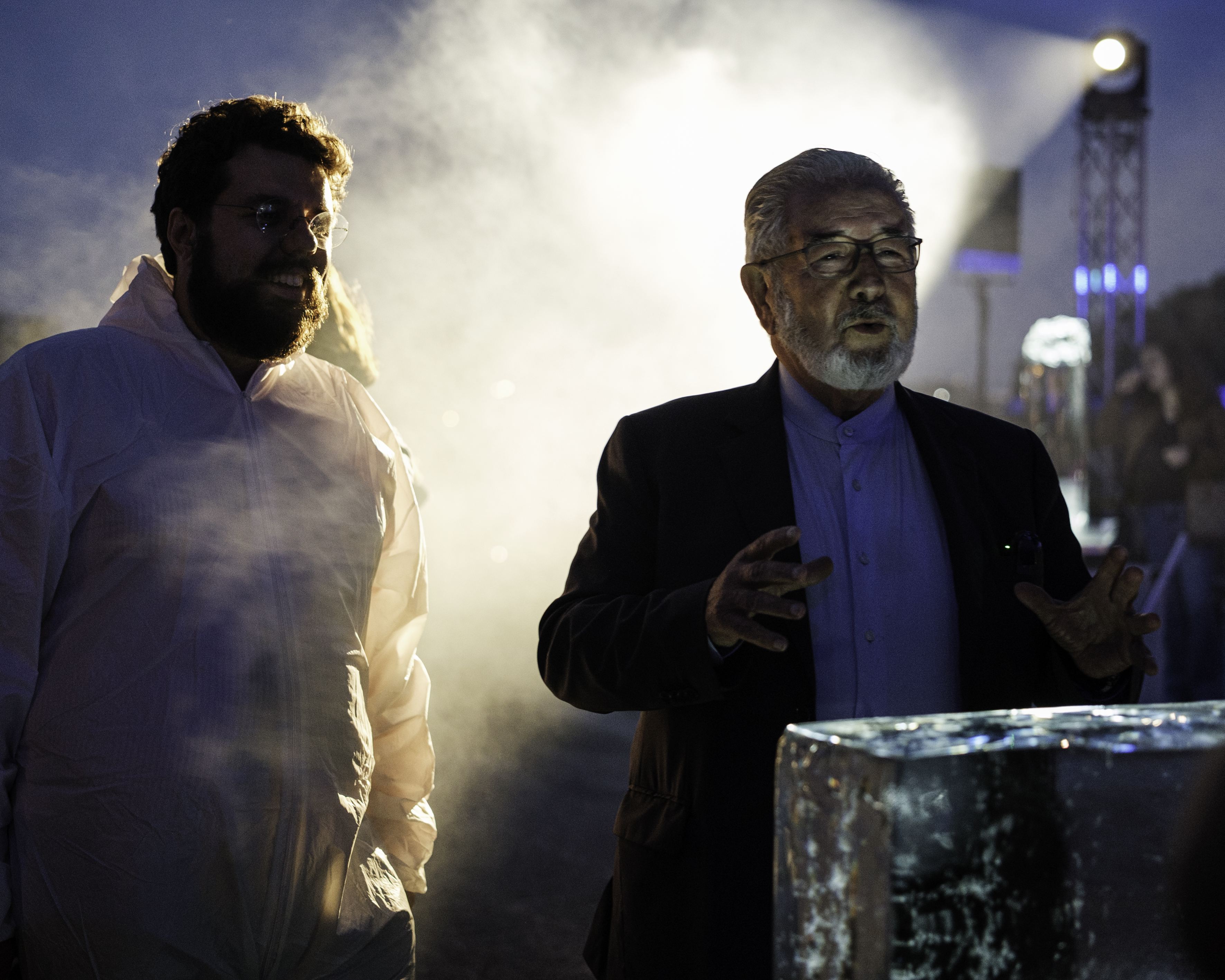
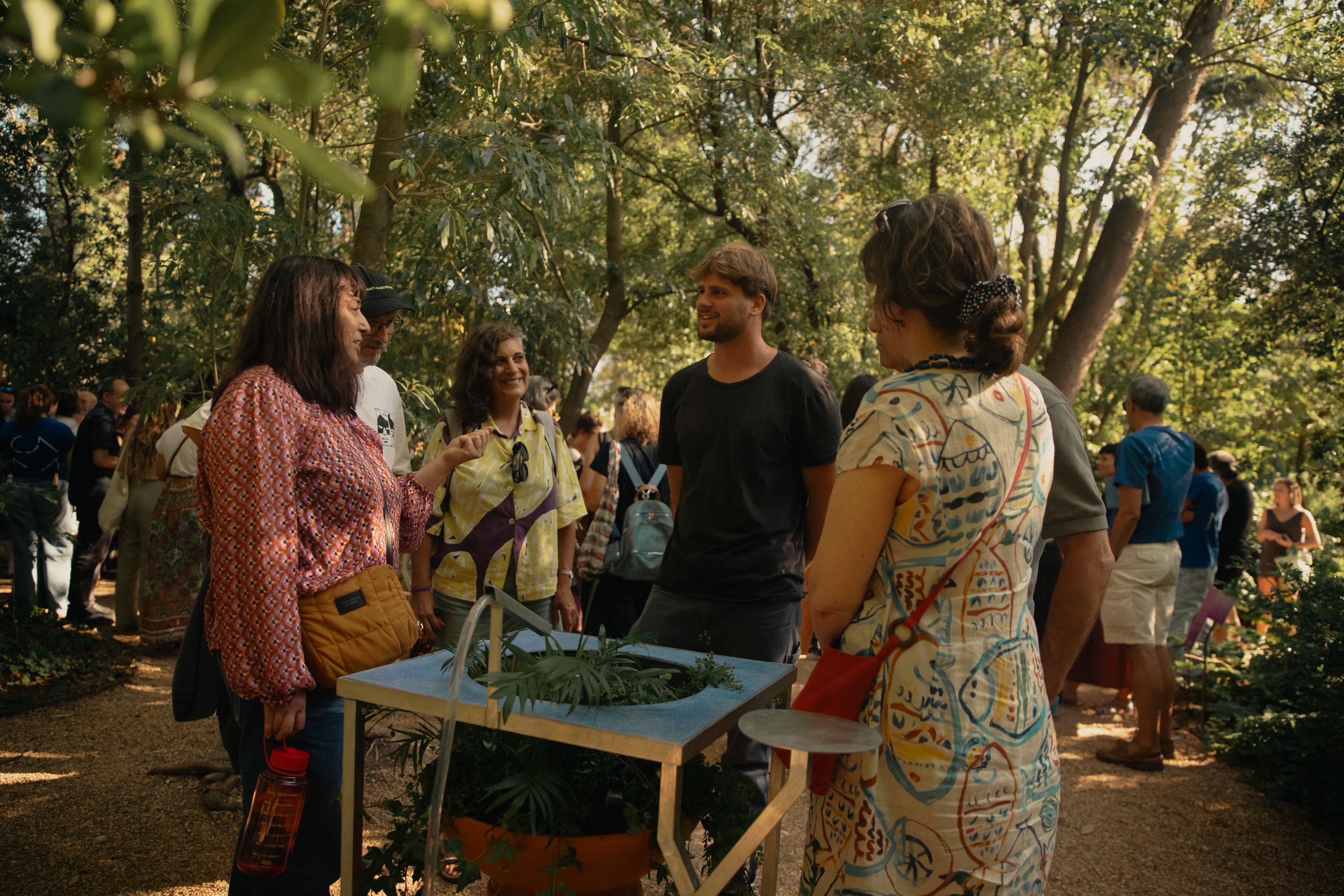
The second residency reached further out into the estuary — literally. Artists Diana Policarpo and Bernardo Gaeiras developed Rádio-Estação do Bugio, temporarily activating the Bugio Lighthouse and Fort, an isolated fortification at the mouth of the Tagus, as a platform for artistic, scientific and environmental research. On 8 and 9 August 2025, the lighthouse became a site of transmission: a place for listening to the river–sea threshold and reflecting on what it means to speak from — and for — the estuary. The project was also presented at CAM Gulbenkian's Radio Bugio event on 26 July 2025, which drew 115 participants. A broader public event, Boca do Estuário (Estuary Mouth), on the same day attracted 150 attendees and an Oyster Alchemy workshop equally drew 150 participants.
Decentralised Technologies and Interspecies Decision-Making
The Oeiras pilot was also the site of BoS's most experimental governance research. Building on the EdenX platform (a digital space allowing participants to represent more-than-human constituents of the Tagus) presented in 2023, the consortium developed participatory sessions at the Aquário Vasco da Gama to prototype a Decentralised Autonomous Organisation (DAO) for the aquarium. Using a Large Language Model-simulated structure to facilitate biocentric decision-making — with a Speaker for the Living representing non-human interests — the resulting DAO structure offers a modular, replicable model for cultural and coastal organisations looking to integrate ecological perspectives into their governance. The work was published in a peer-reviewed article by Félix et al. (2025).
The Ripples
The sound installation Interferências no Tejo attracted visitors to CAM Gulbenkian across a three-month exhibition period, bringing the ecology of the Tagus into one of Lisbon’s most prominent cultural venues. The Bugio Lighthouse activation drew participants to a site that is rarely publicly accessible, creating a temporary platform for artistic and scientific exchange at a uniquely resonant location.
The DAO prototype was tested in workshops at the Vasco da Gama Aquarium, building on earlier research and documented in a peer-reviewed publication by Félix et al. (2025). It represents one of the most technically innovative outputs of the entire project – a working prototype for biocentric governance that has been shared with the wider research community.
What it Leaves Behind
The Oeiras pilot leaves behind a set of tested cultural and educational formats, anchored in two of the territory’s most distinctive institutions – the Vasco da Gama Aquarium and CAM Gulbenkian. These formats provide a foundation for the longer-term development of the Museum of the Tagus, a proposed new institution that would tell the story of the river and its estuary in all its ecological, cultural and historical complexity. The DAO model is available as an open research prototype for adaptation by other cultural organisations working with questions of more-than-human governance.