Lisbon
RIVER ECOSYSTEM – TAGUS ESTUARY
Portugal’s capital sits at the mouth of the Tagus, one of the longest rivers in the Iberian Peninsula. The estuary that opens out before Lisbon is vast, tidal and ecologically rich – home to flamingos, dolphins and an extraordinary diversity of marine life. It is also a working waterway, shaped by centuries of fishing, trade and industry and now under pressure from urban development, pollution and the gradual erosion of the communities and practices that once defined life along its banks.
The Mar da Palha — the "Sea of Straw", named for the way sunlight plays across the surface of the Tagus estuary — is the broad tidal reach that connects Lisbon to the Atlantic. Long disconnected from the rest of the city, the river's northern margins, including the districts of Marvila and Xabregas, have in recent years been finding a new identity through creative industries and community-led initiatives. The Bauhaus of the Seas Sails chose this territory as the setting for two intertwined demonstrator drops: a Blue Makerspace and a Regenerative Menu — both of which sought to reimagine what it means to live, make and eat in relationship with a river.
The Drops
Blue Makerspace — À Flor do Azulejo, a Cor do Tejo
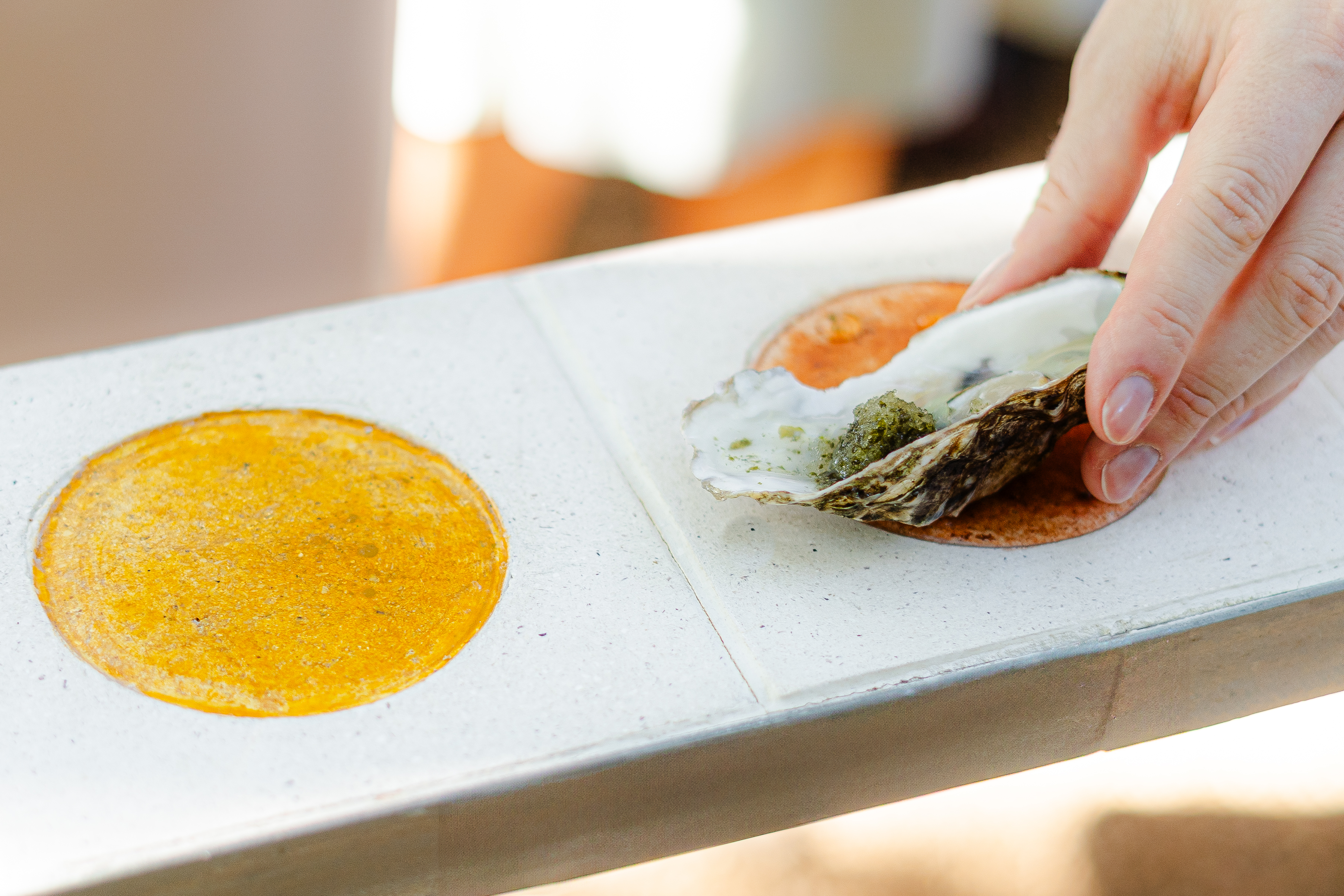
Through an open call managed by the Calouste Gulbenkian Foundation (CAM), the "Radical Waters – Concrete Matters" art and design residency brought together Jeremy Morris and Luca Carlisle of the studio Fahrenheit 180º. Their project,*À Flor do Azulejo, a Cor do Tejo*, placed the humble Portuguese azulejo tile in dialogue with the ecology of the Tagus. Working with oyster shells and seaweed-based binders as raw material, the residency team prototyped a new generation of bio-ceramic tiles that draw on the estuary's own waste streams.
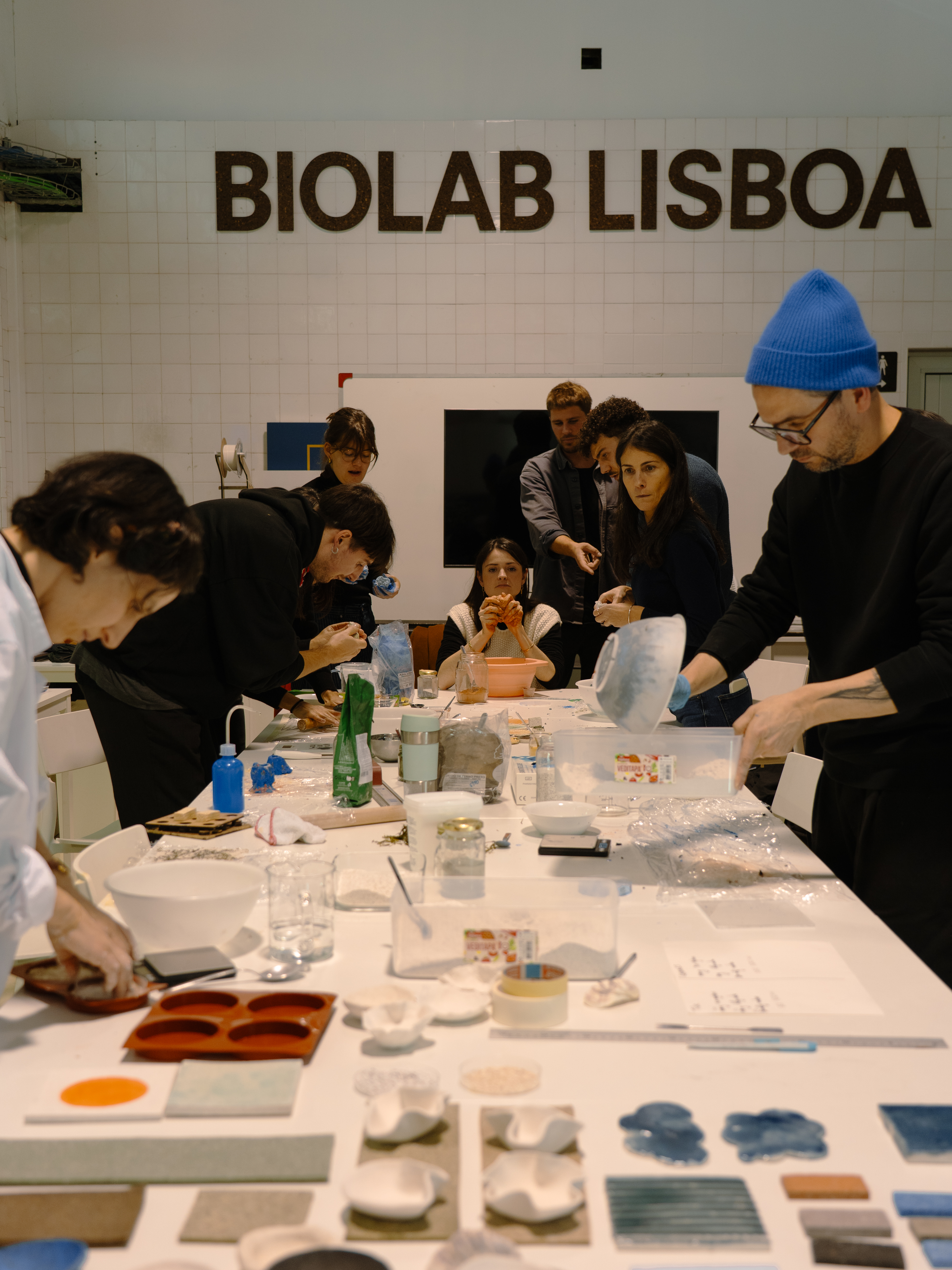
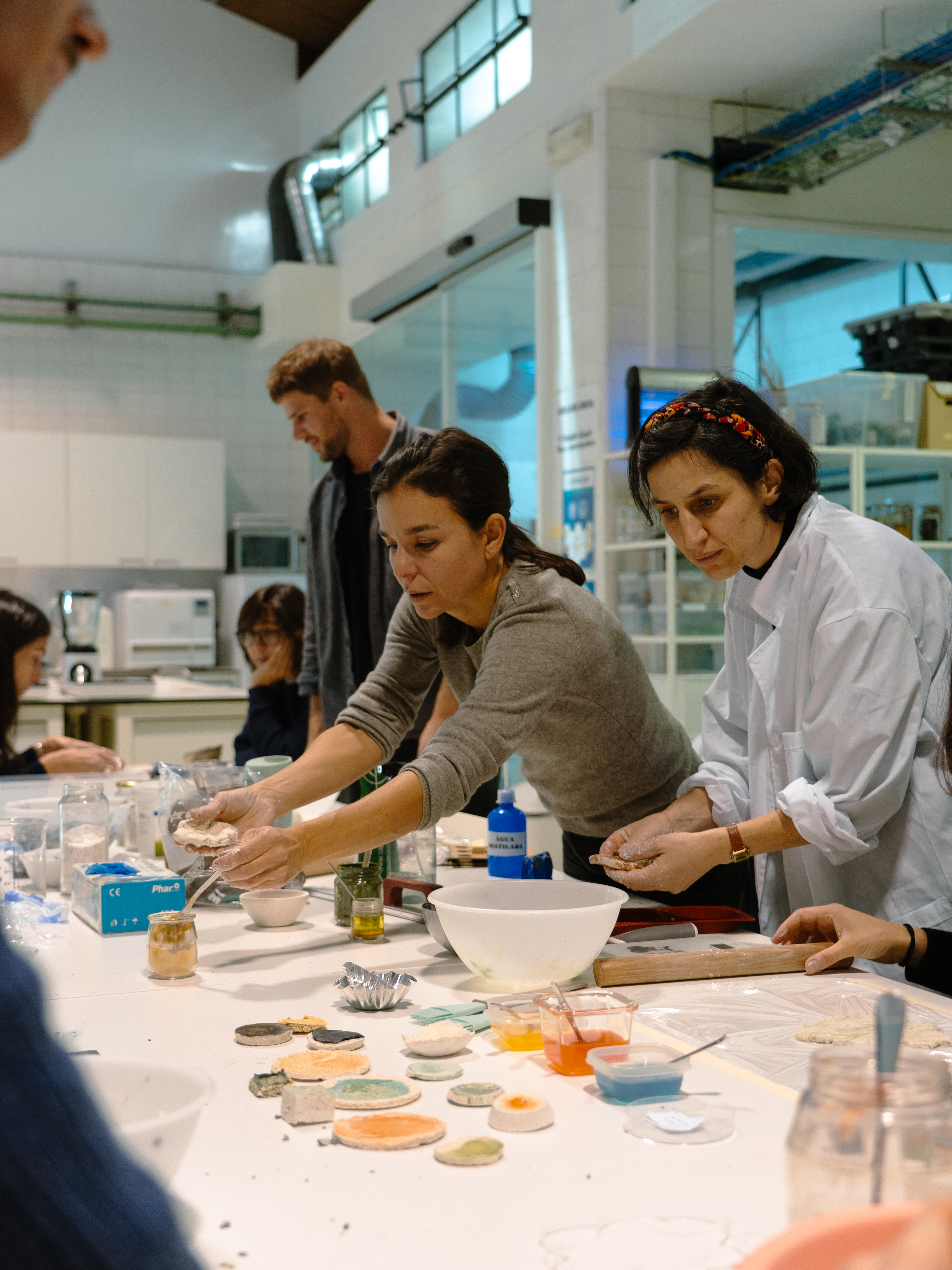
Participatory tile-making workshops were held at BioLAB — the Municipality of Lisbon's public fabrication laboratory — engaging architects, designers and members of the local community. A second phase of the residency, running through to July 2025, allowed the project to deepen its methods and articulate a "sediment laboratory" model: an open, interdisciplinary platform for experimenting with sea-based materials that can continue to welcome collaborators after the project's end.
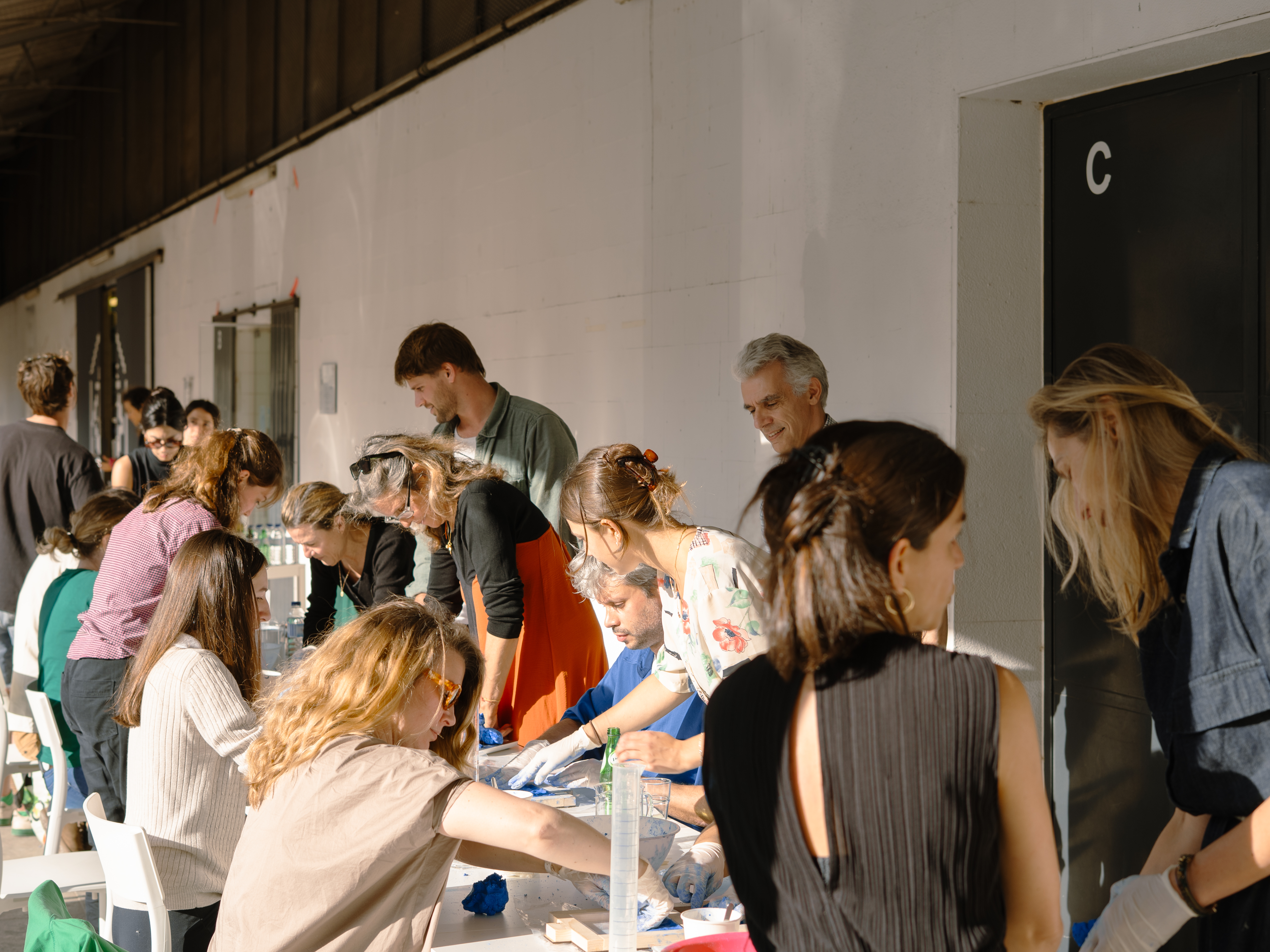
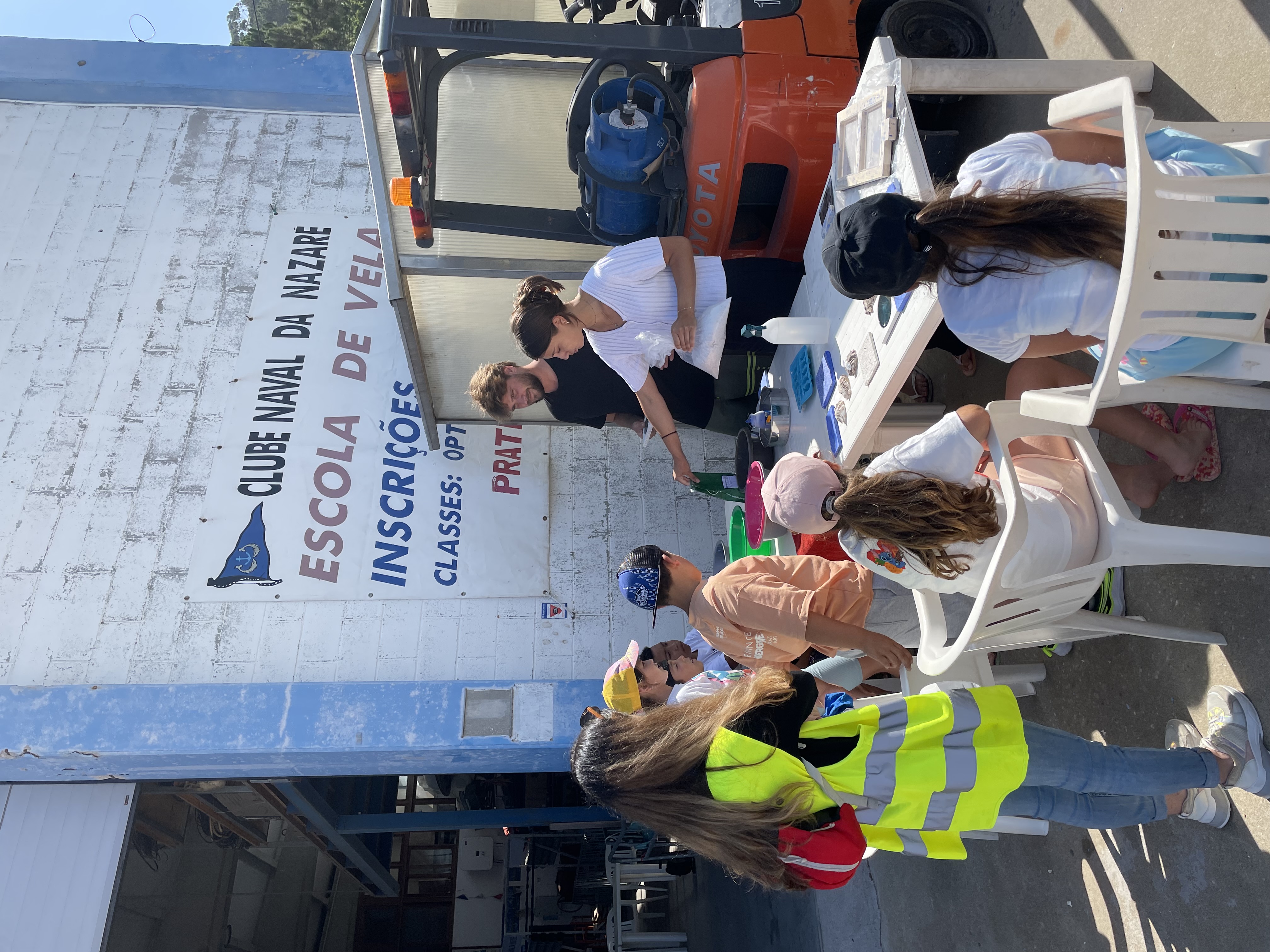
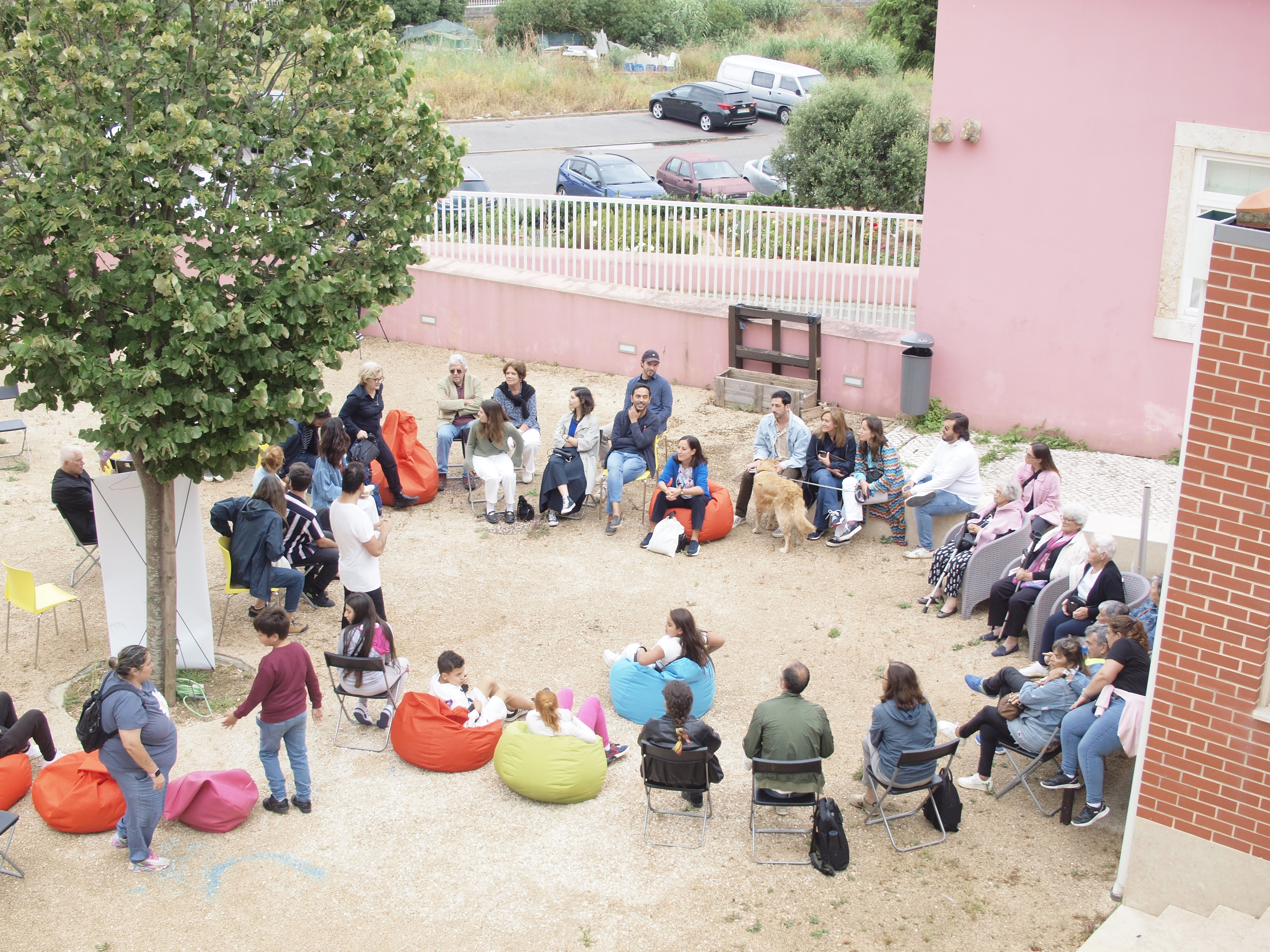
Beyond the studio, the residency connected to Marvila, one of Lisbon's most underserved neighbourhoods, through hands-on tile-making workshops with local residents, children and associations. In time, this approach holds real potential for the circular economy: connecting marine waste recovery, cultural heritage and design innovation in a model that could anchor new livelihoods in the area.
These results directly inform the Lisbon Blue Hub — a knowledge and innovation hub dedicated to AI, the living sciences and the impacts of climate change on health — whose installation in the Pedrouços riverside area between Lisbon and Oeiras was approved in 2023.
Regenerative Menu — Lisbon Spice Rack
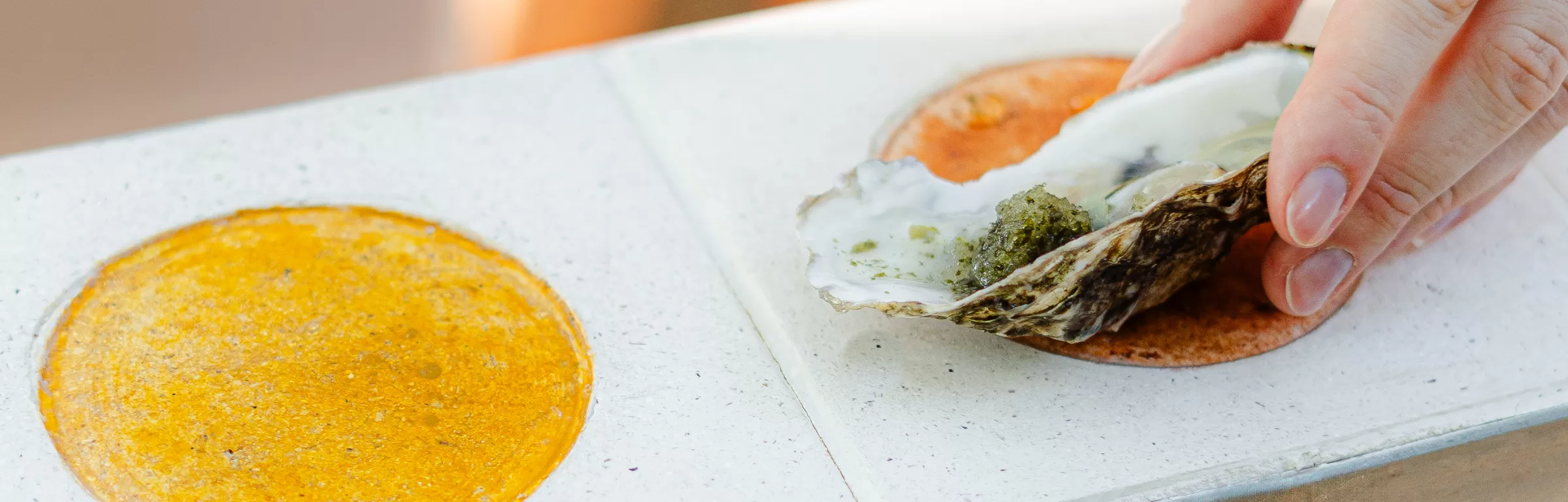
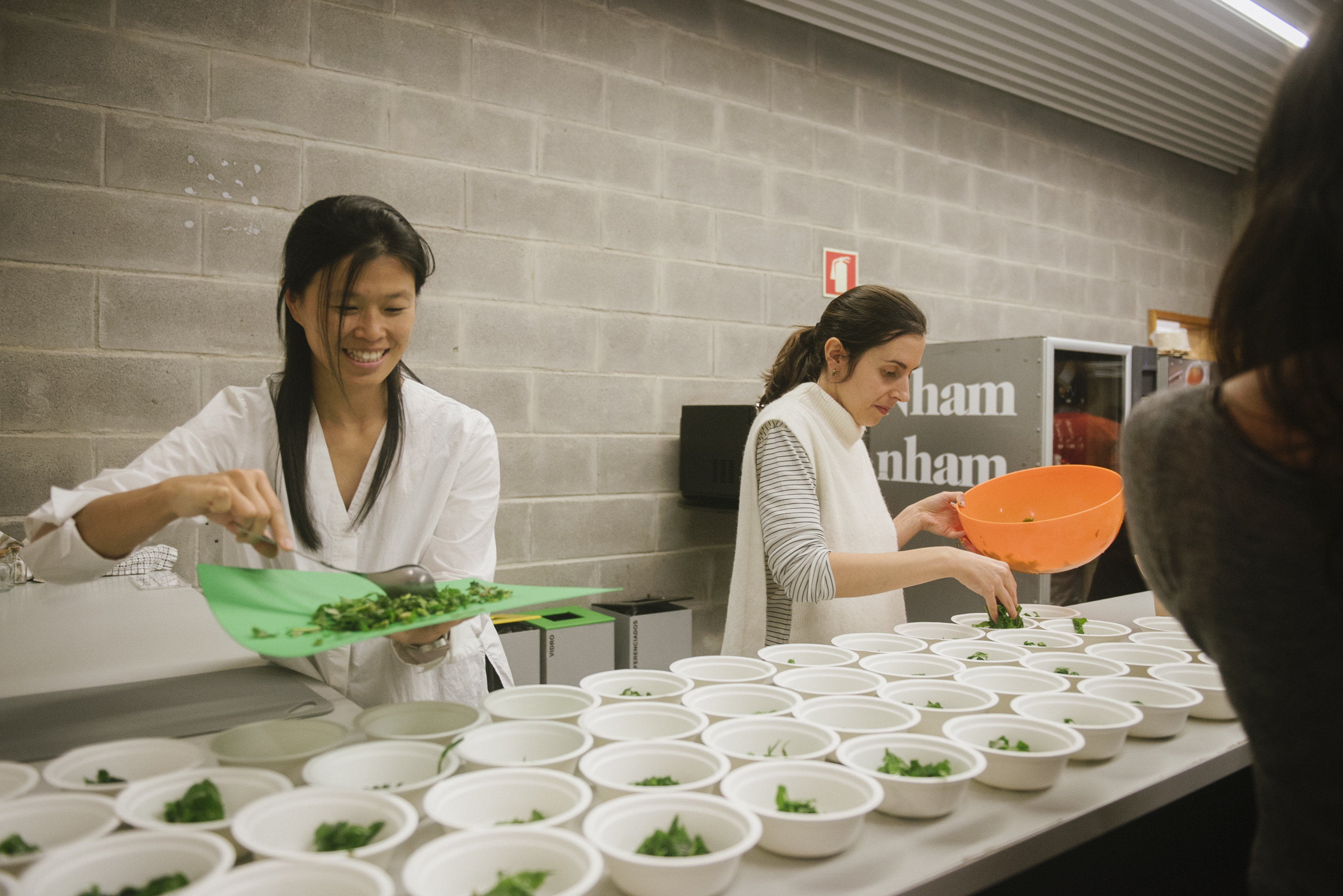
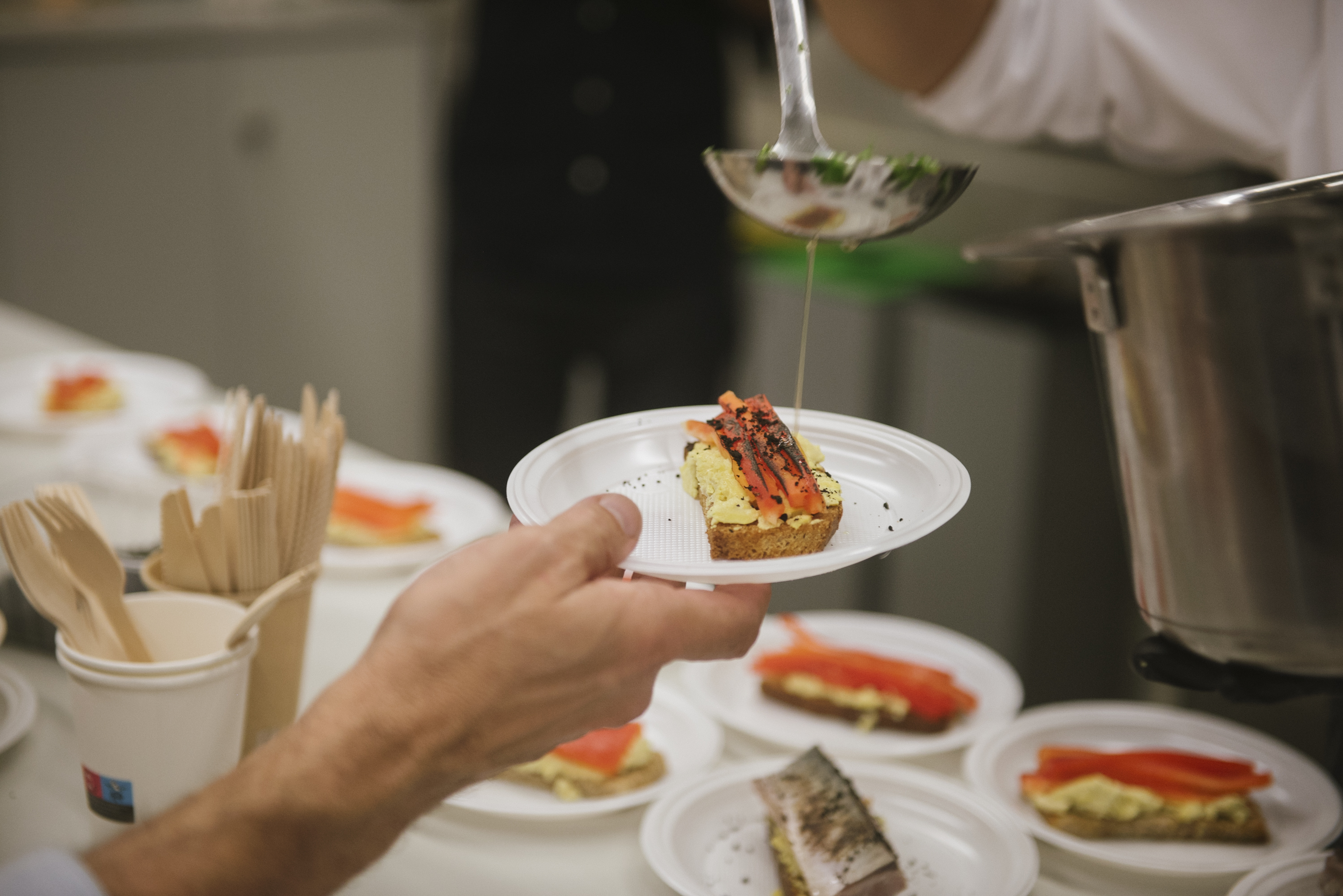
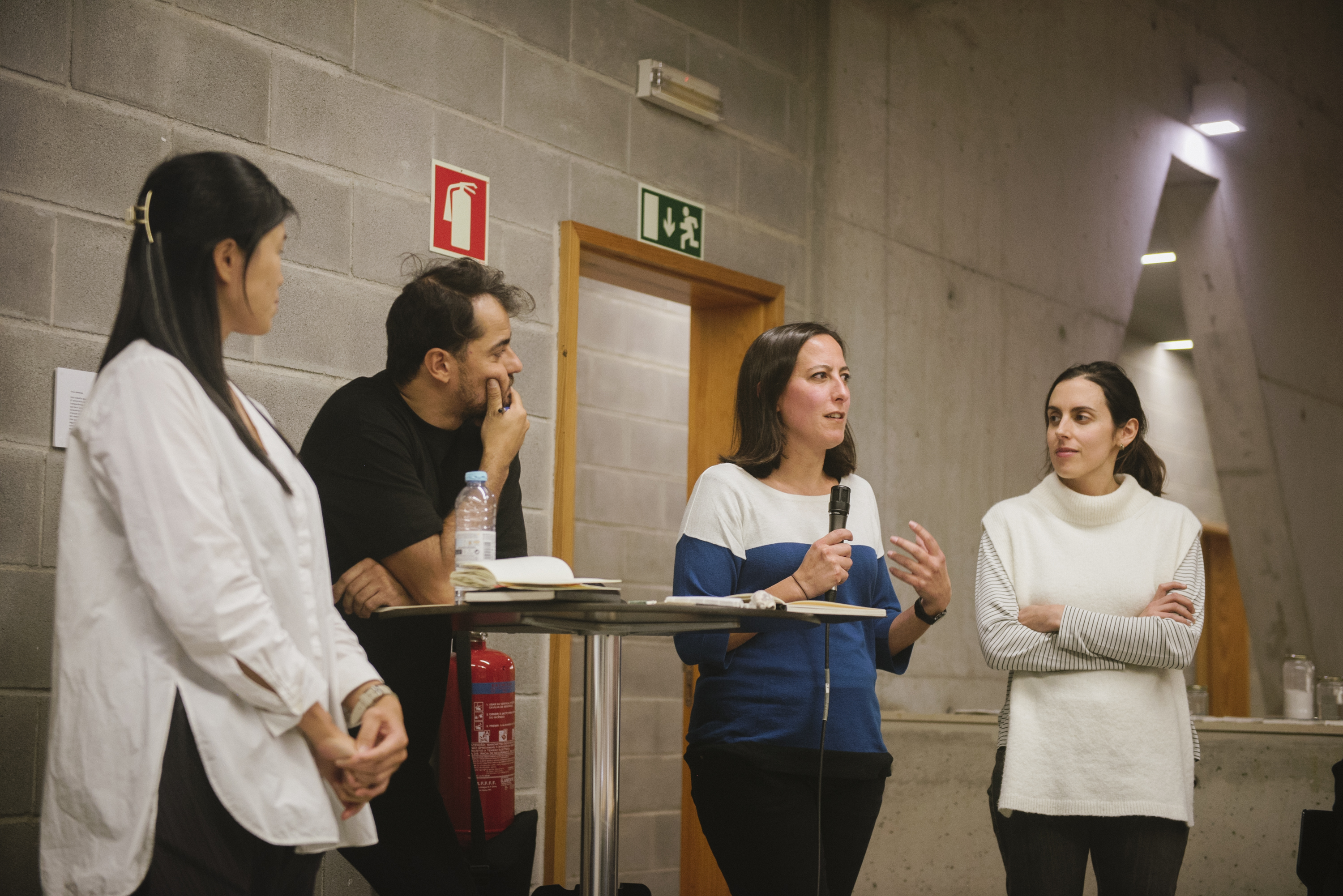
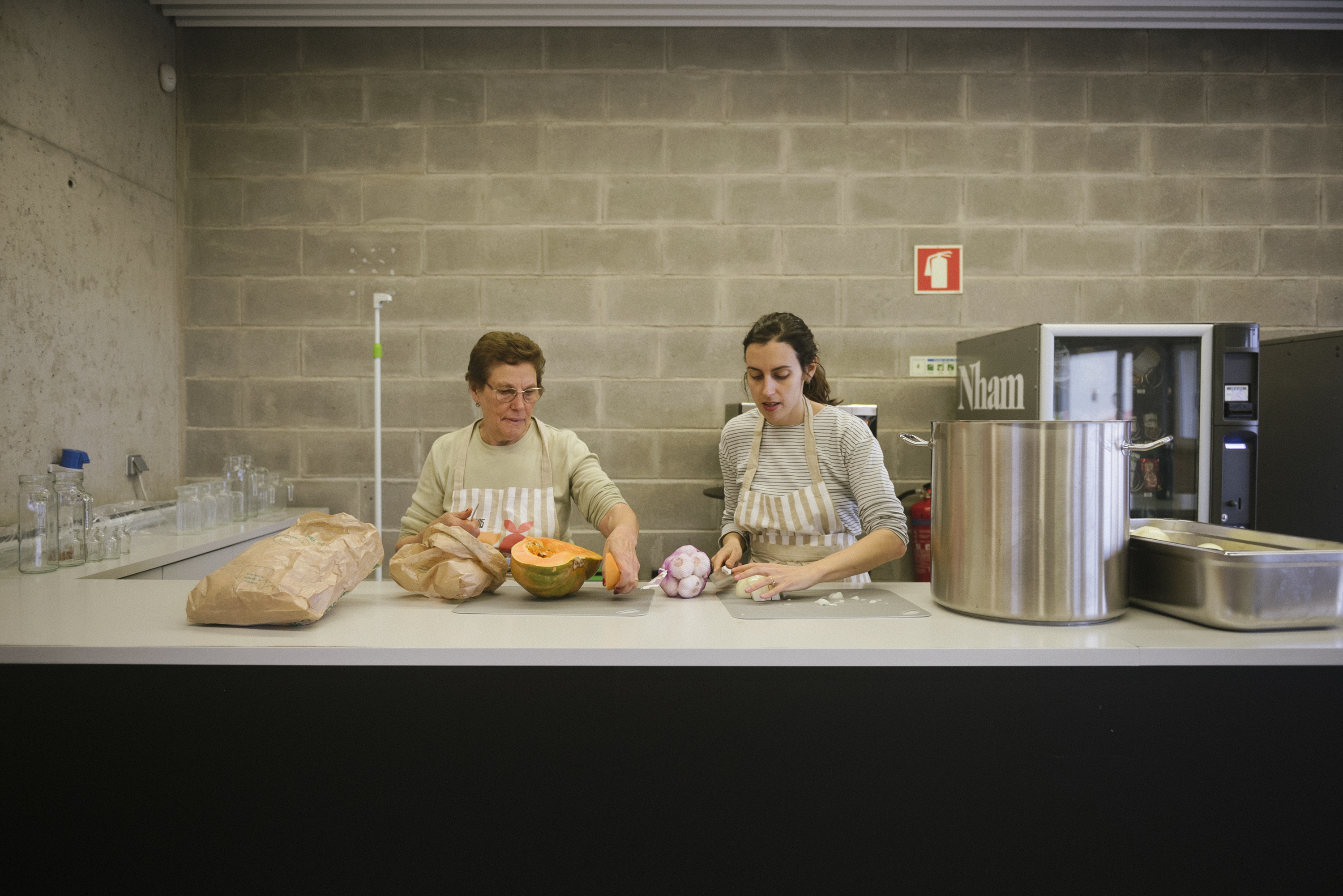
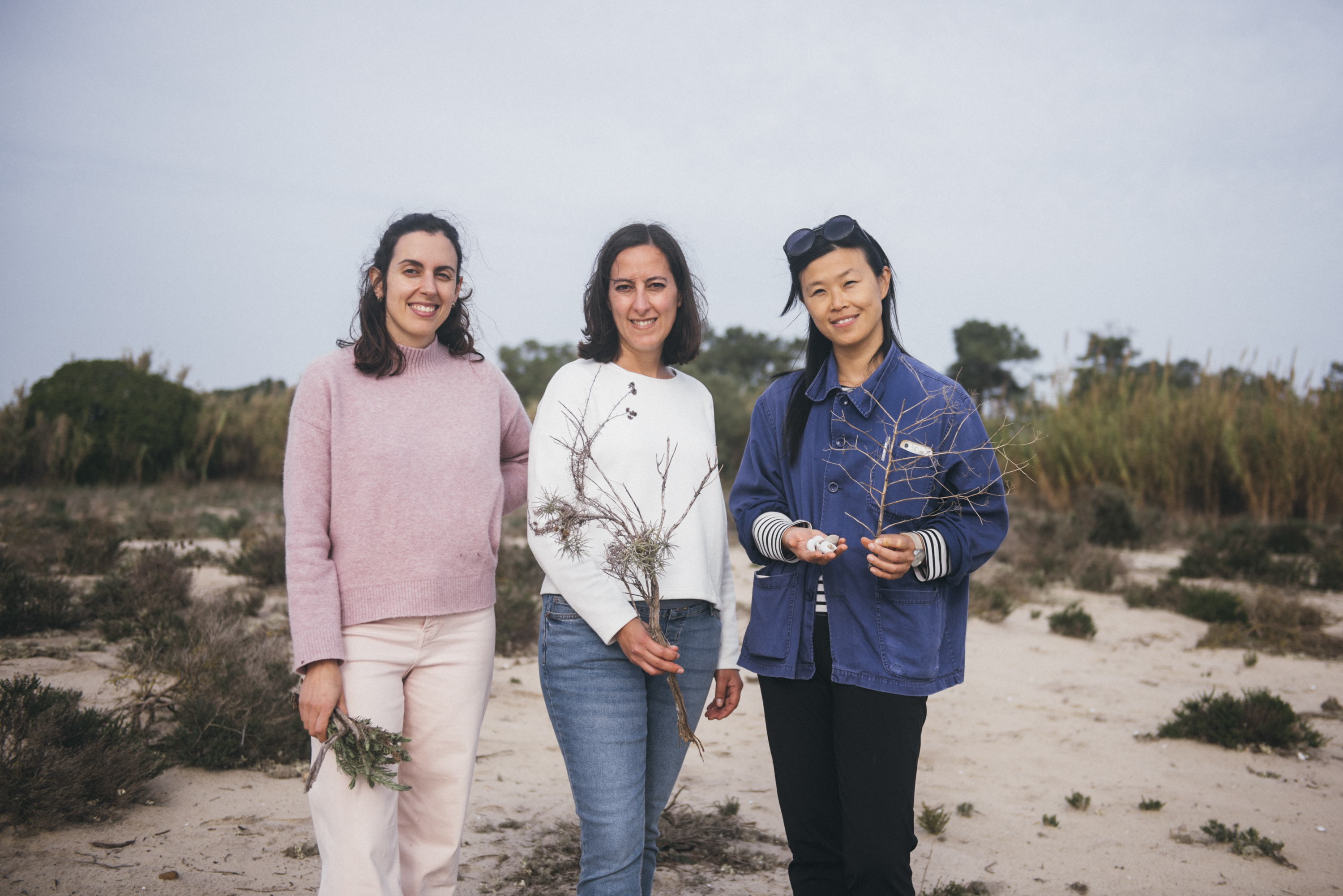
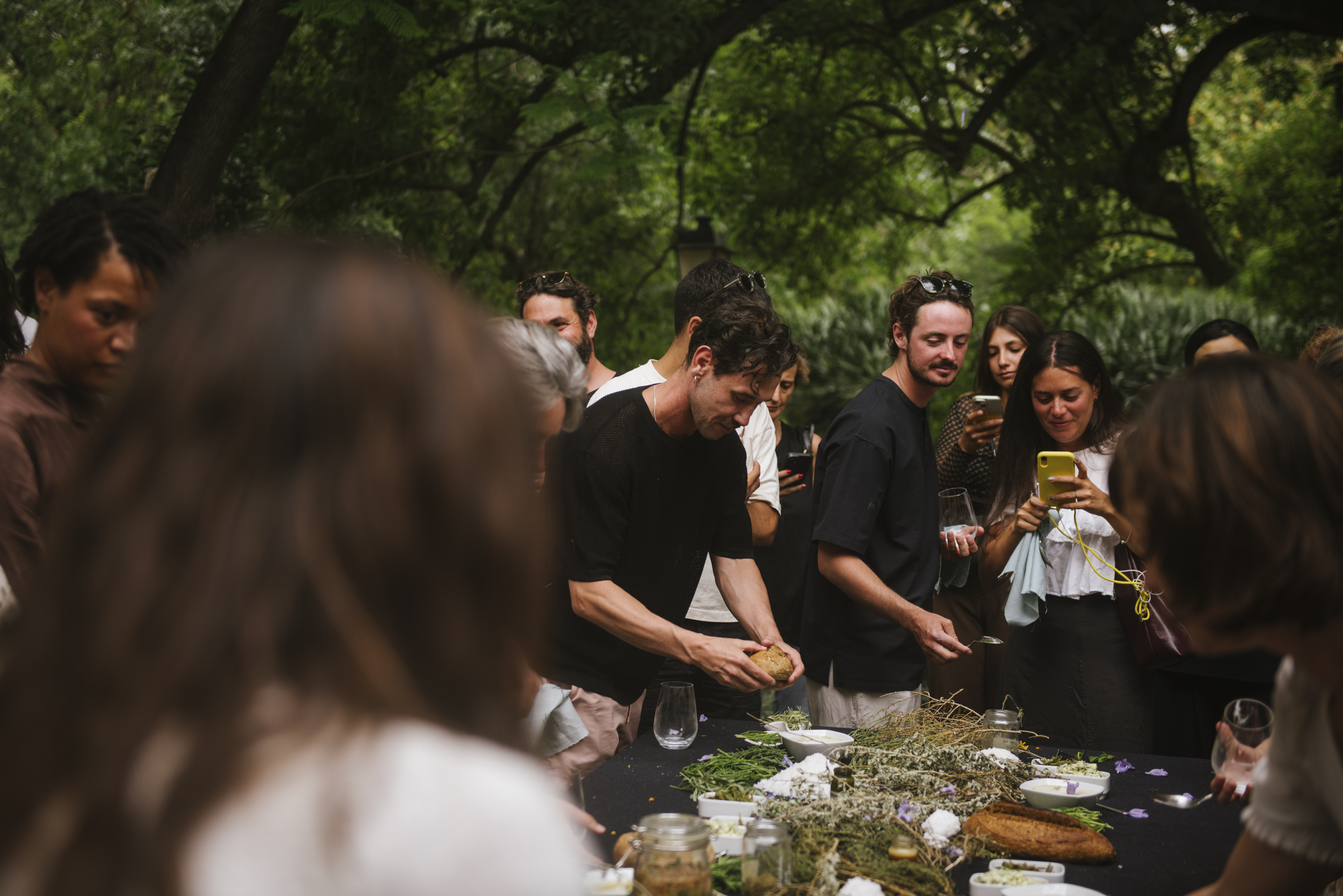
The "Eating Between Tides" residency — led by artists and researchers Rain Wu, Inês Neto dos Santos and Mariana Sanchez Salvador — explored the Tagus estuary as a larder, a territory of taste and a living cultural archive. Their project, the Lisbon Spice Rack, developed new recipes and food prototypes using local marine and estuarine ingredients, reframing everyday cooking as a form of ecological attention.
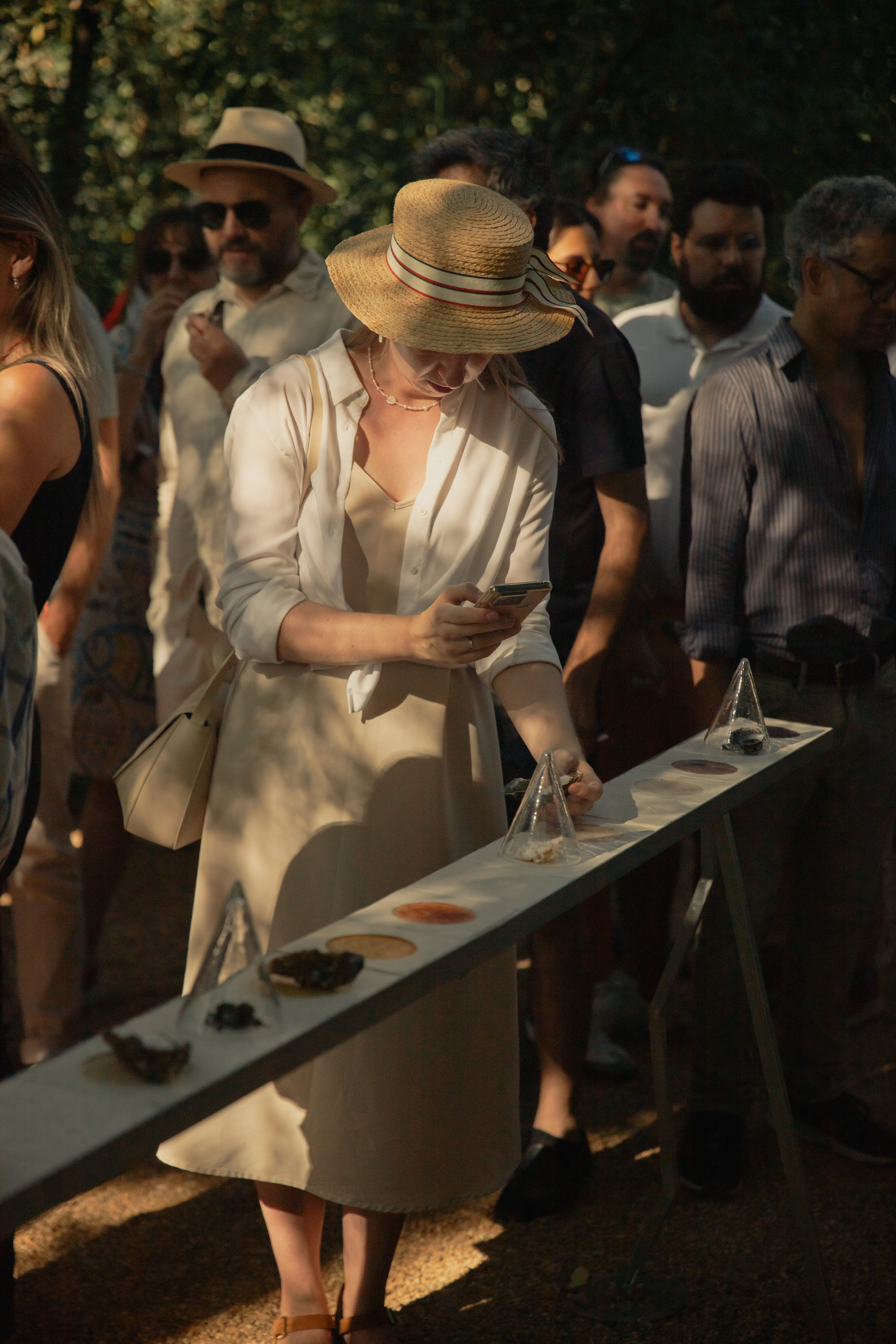
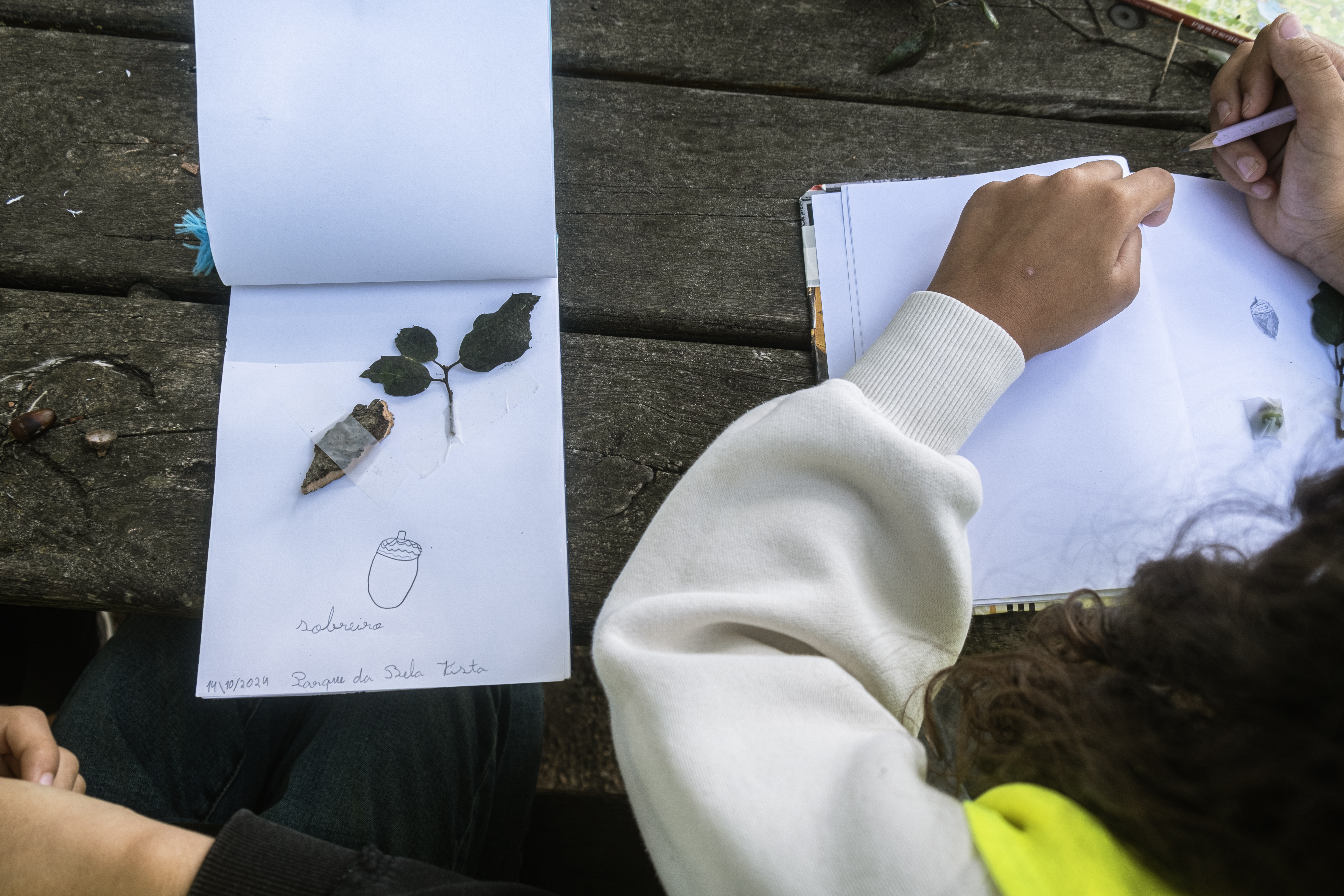
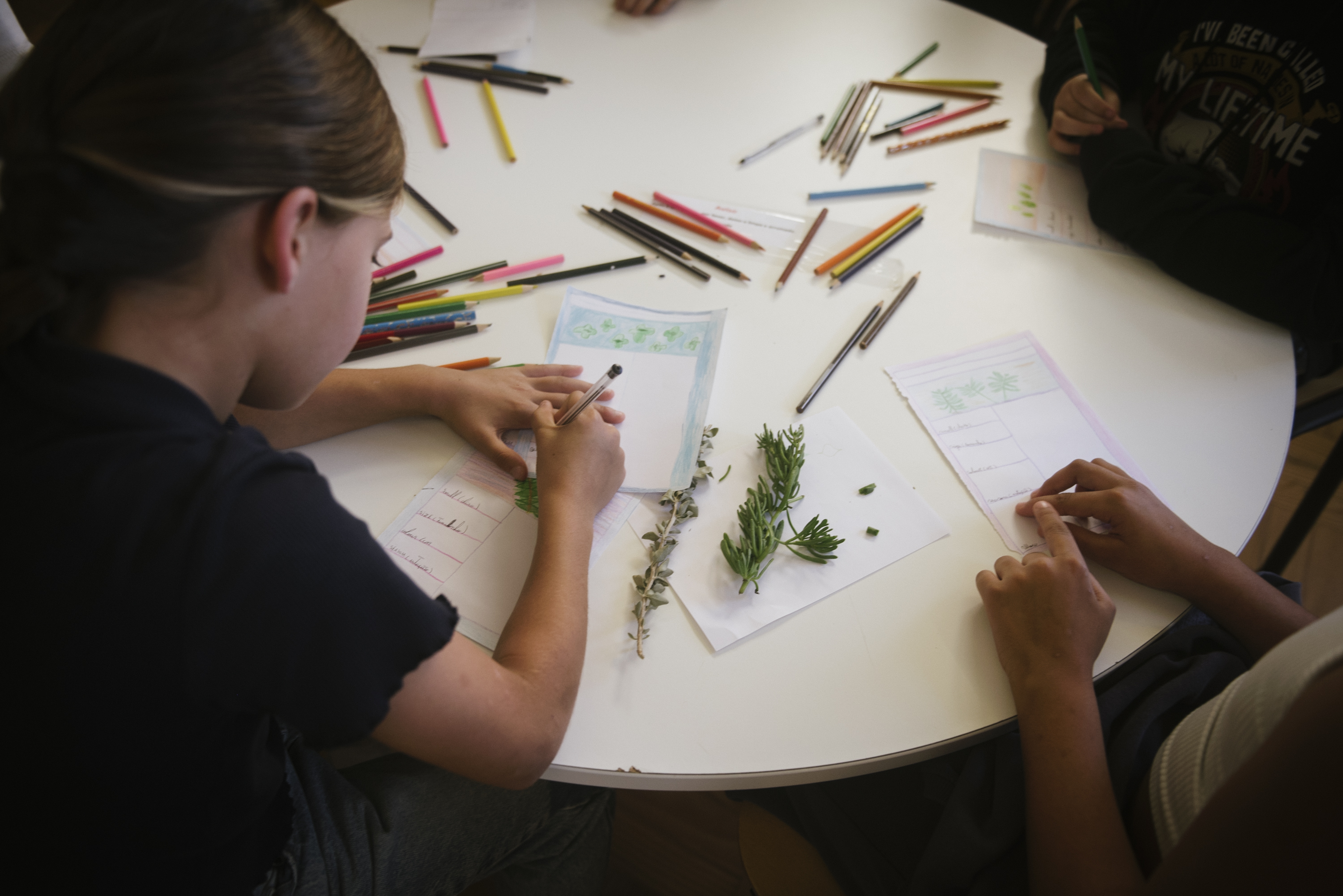
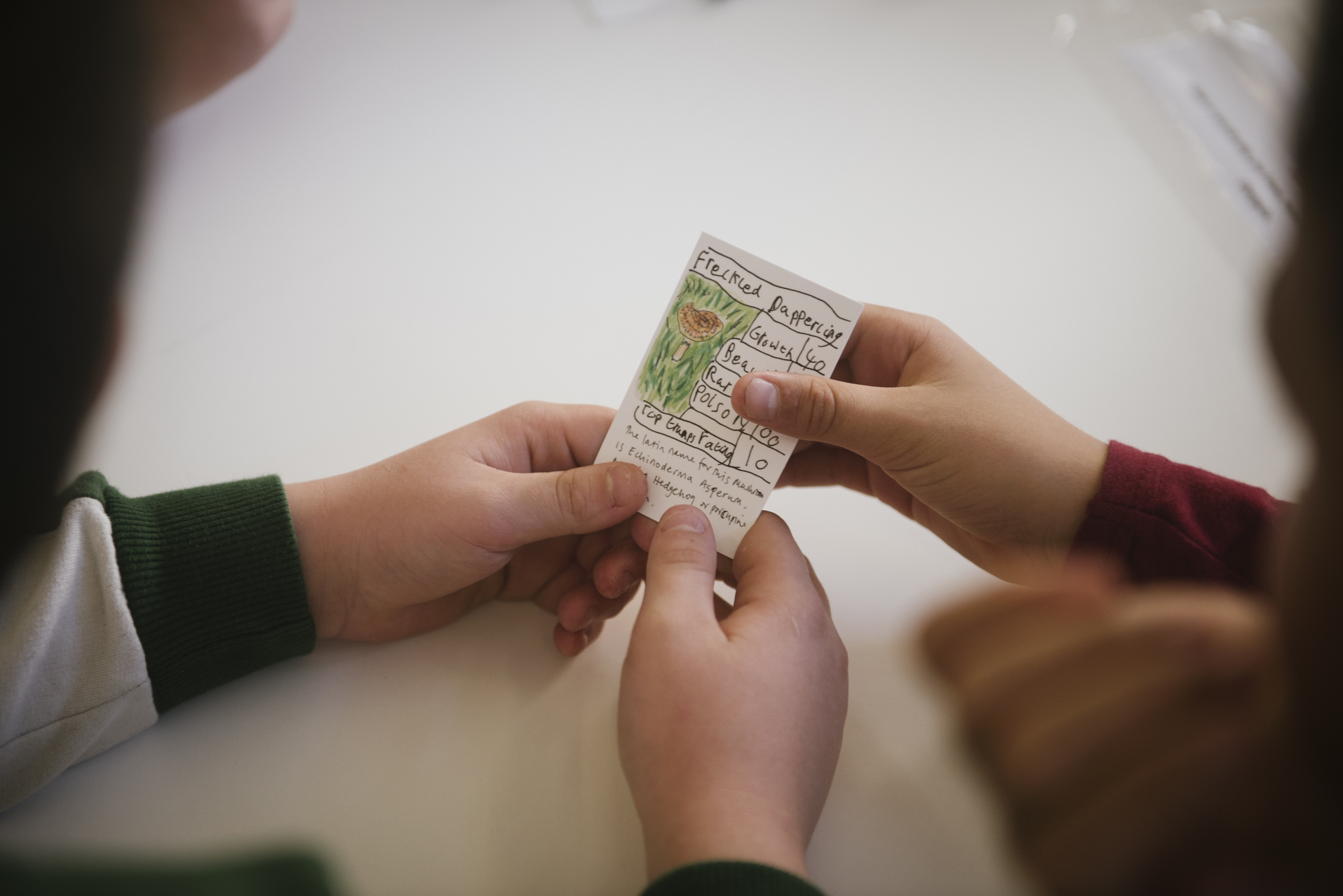
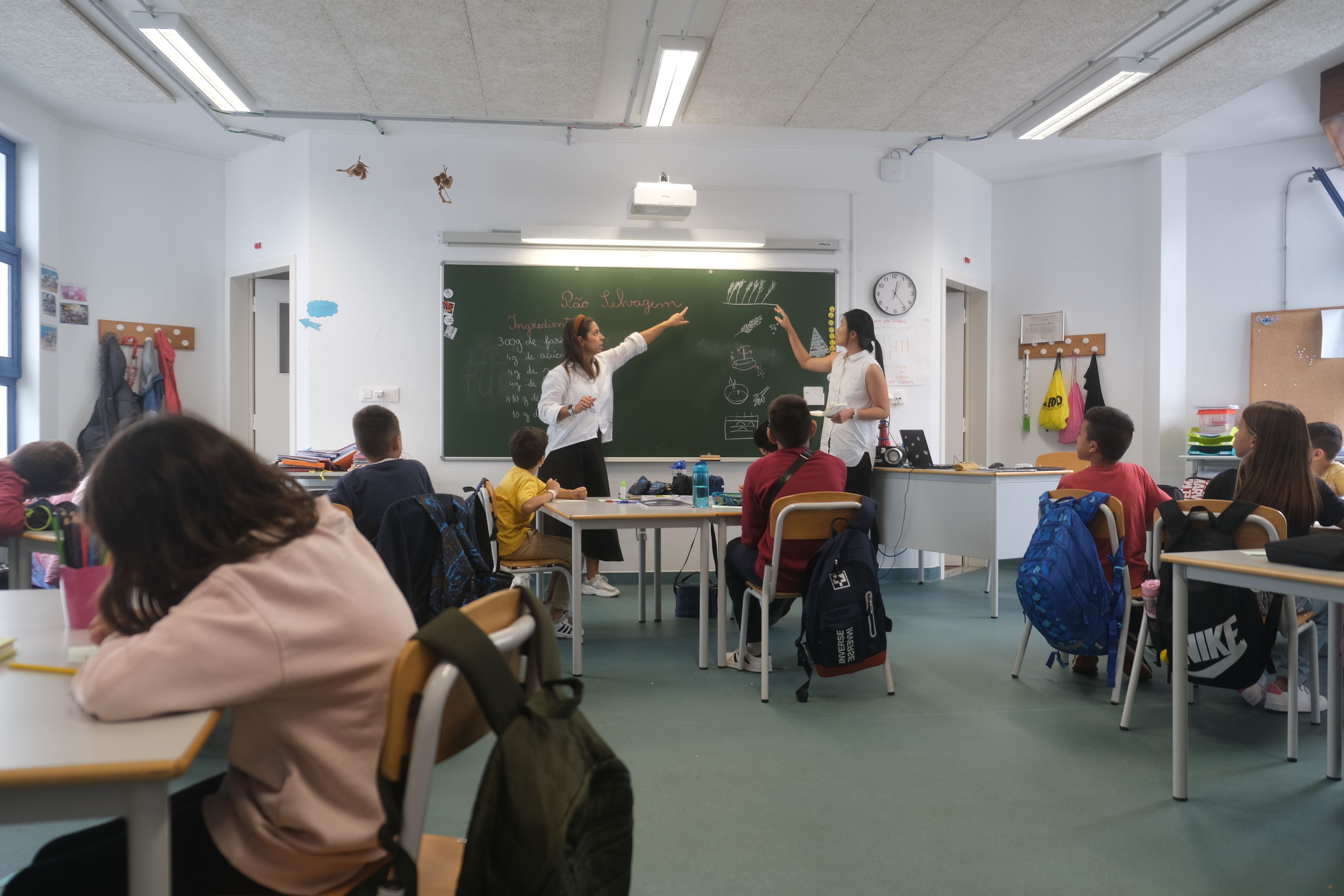
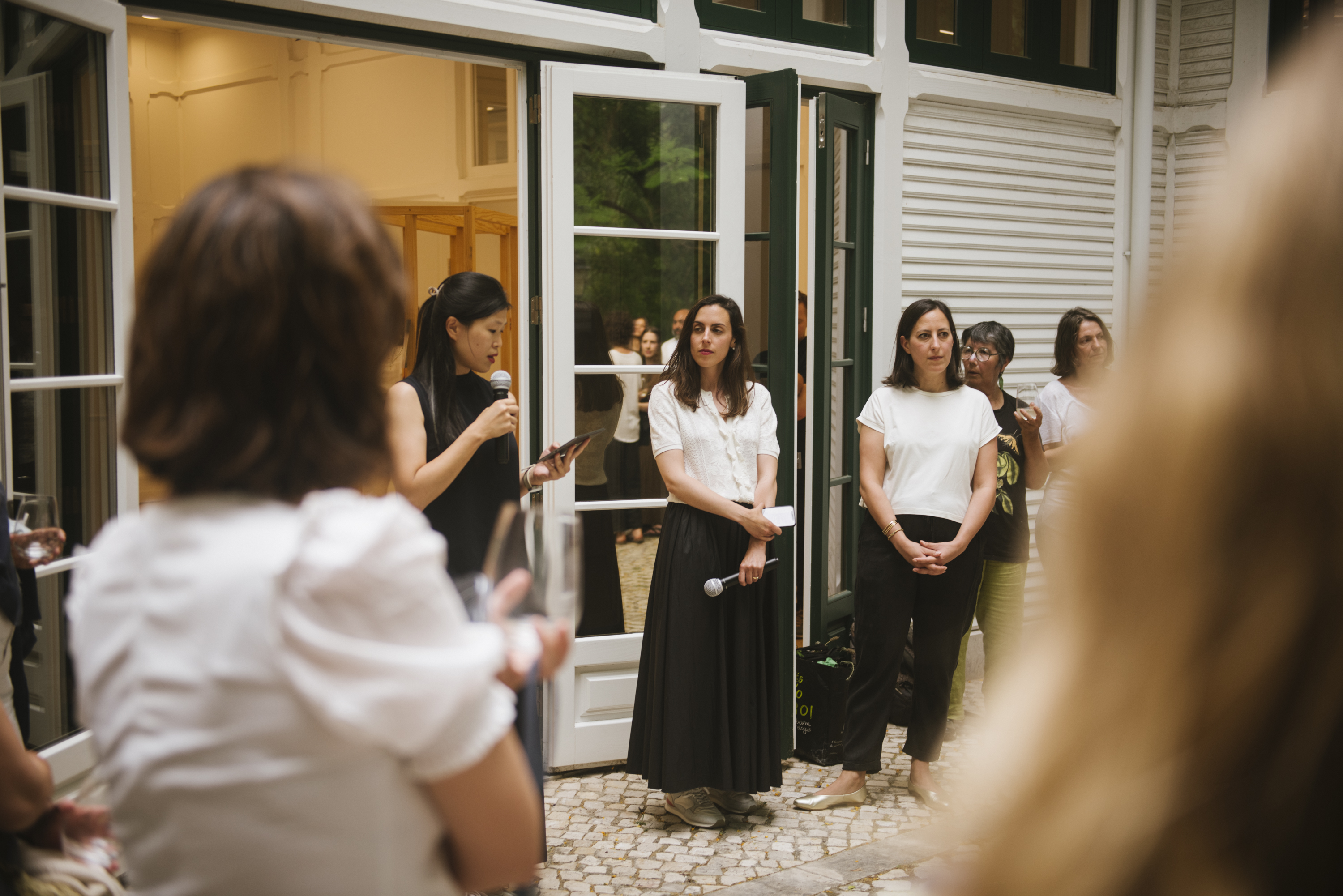
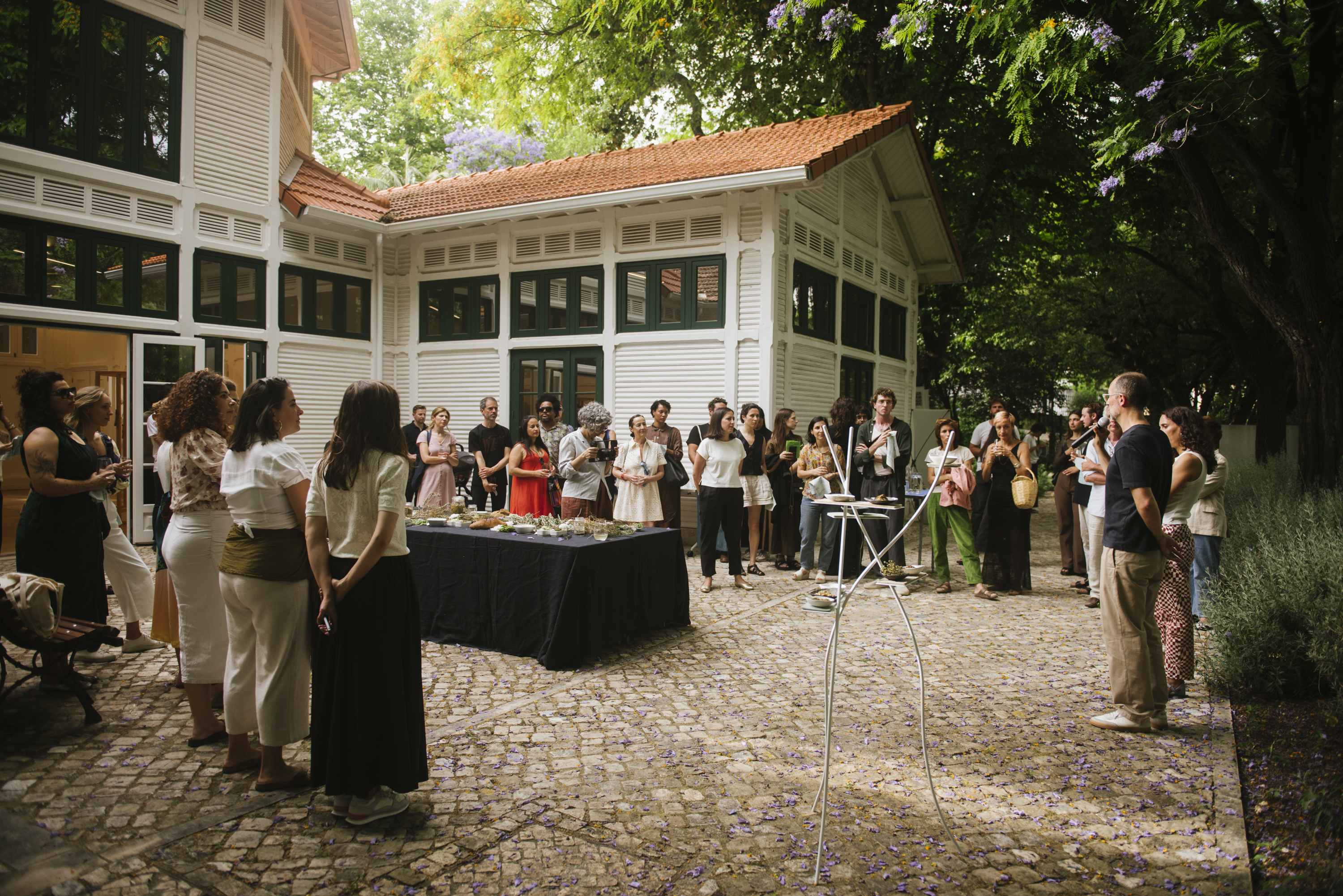
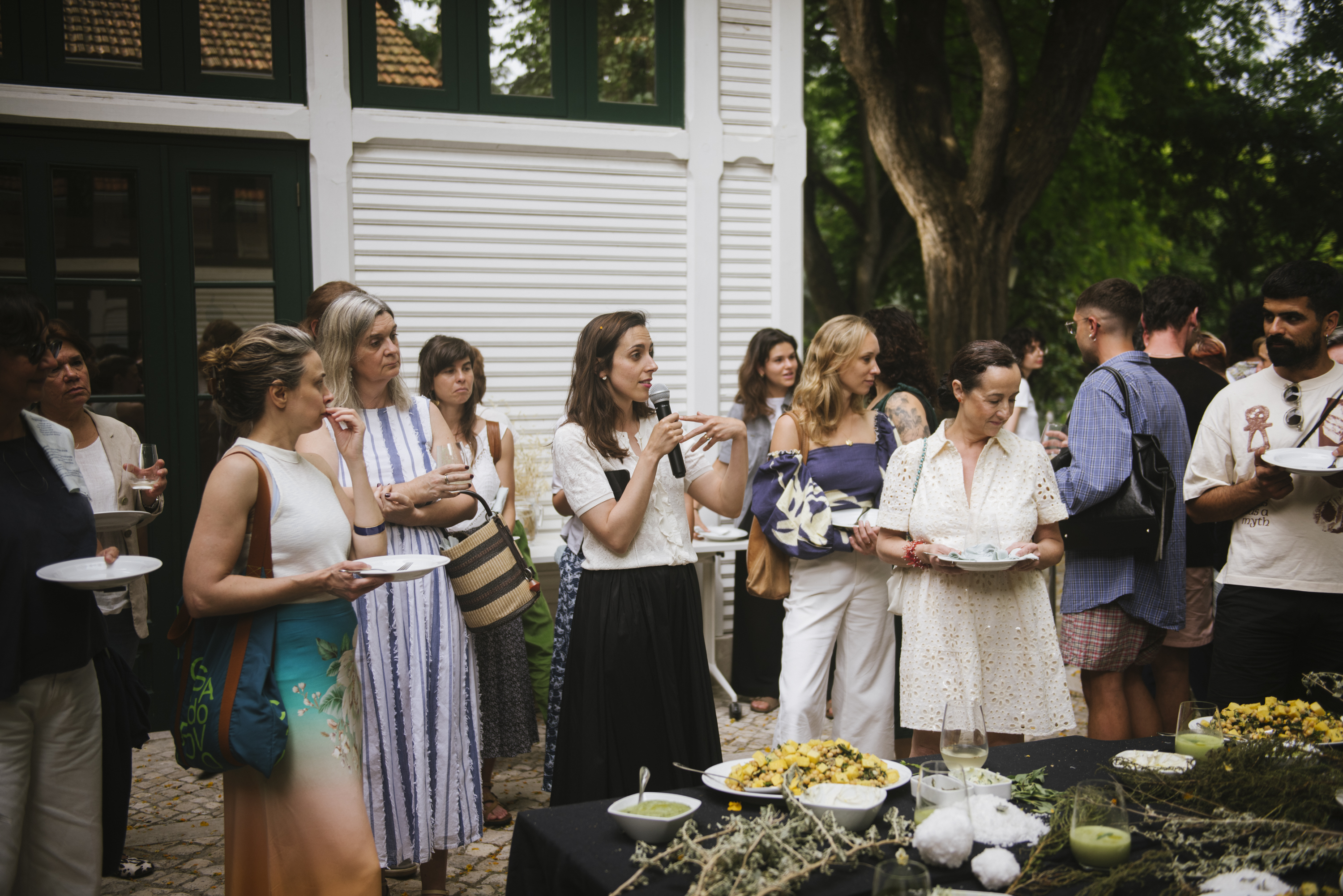
Testing took place in three settings that reflect the breadth of the city's public life: the restaurant at CAM Gulbenkian (the Centre of Modern Art), the Marvila Municipal Library and Escola Básica Luíza Neto Jorge, a primary school in the Agrupamento D. Dinis. At the school level, the project demonstrated how children can be brought into a relationship with their local ecosystem through the sensory and convivial act of eating together. At CAM, the residency culminated in a series of public tasting events, including the River's Tongue dinner in June 2025, which drew together artists, scientists, food producers and curious members of the public in celebration of the estuary's overlooked flavours.
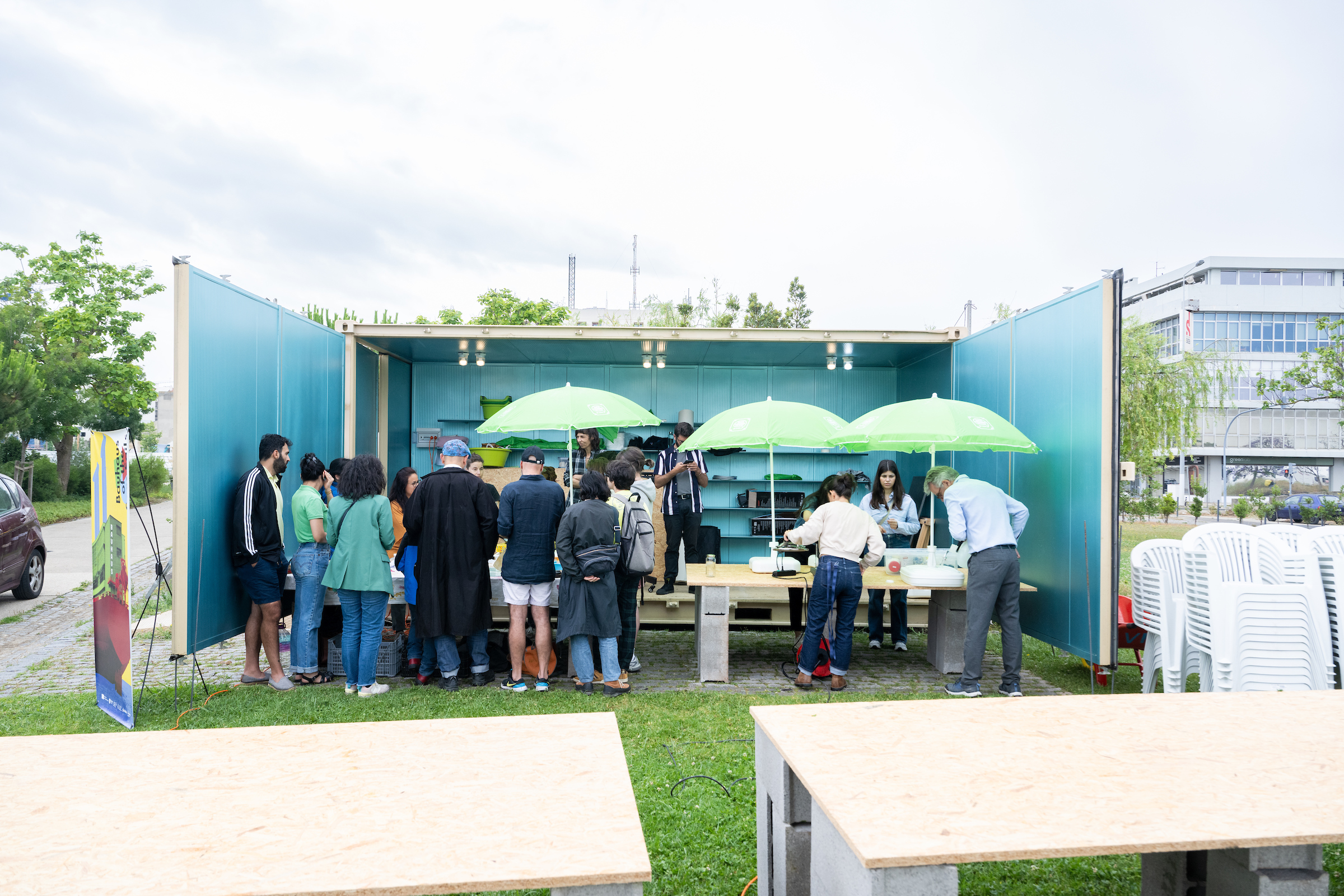
The residency also gave rise to a cross-drop collaboration: a Mobile Kitchen prototype — built by Fahrenheit 180º together with Food from the Block, the Lisbon pilot's Ocean Ambassadors collective — which uses oyster shells and seaweed composites as its material substrate and serves as a community-facing module for communal cooking, local knowledge-sharing and public engagement around regenerative food practices.
The Ripples
The two drops converged in a single tangible outcome: a Mobile Kitchen prototype – built partly from oyster shells and seaweed – co-developed by Fahrenheit 180º with the Food from the Block collective, the Lisbon pilot’s Ocean Ambassadors. The kitchen functions as a community-facing module for communal cooking and public engagement around sustainable food practices and has been presented at public events coordinated by the Calouste Gulbenkian Foundation.
A participatory tile-making workshop at BioLAB brought architects and community members together to experiment with bio-ceramic production techniques. Children in Nazaré participated in a dedicated bio-azulejo workshop, connecting material innovation to cultural heritage at primary school level.
Public presentations and dissemination moments throughout the pilot ensured that the work was visible within Lisbon’s broader cultural ecosystem – positioning these experiments as reference points for future initiatives, not one-off events.
What it Leaves Behind
The Lisbon pilot leaves behind tested prototypes, documented methods and a set of validated partnerships that can inform what comes next. Most concretely, the work feeds into the development of the Lisbon Blue Hub – a new facility approved for the Pedrouços riverside area, between Lisbon and Oeiras, that will continue the makerspace logic the project helped to develop. The bio-ceramic tile process is now being transferred through community workshops in Marvila, with the potential to create new economic opportunities in an underserved neighbourhood. The Mobile Kitchen continues to operate as a community resource.