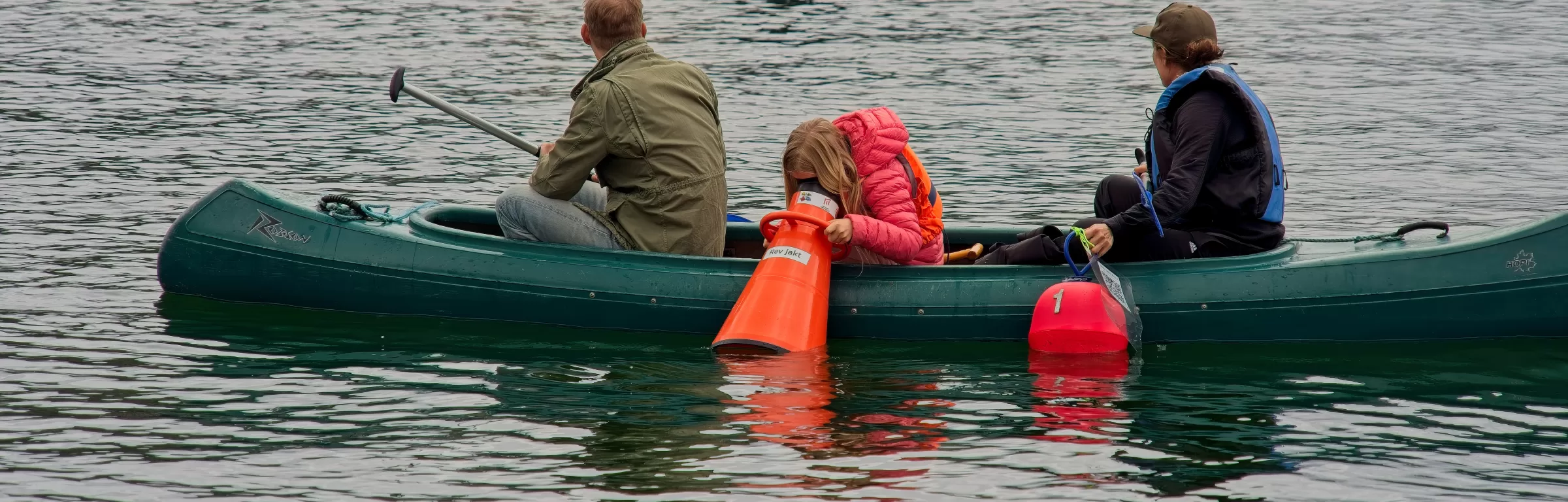
Malmö
SEA ECOSYSTEM – SOUTH WHARF BASIN
Malmö is a city in transformation. Sweden's third-largest city has spent the last two decades transforming its waterfront, demolishing old shipyard infrastructure, building new neighbourhoods and grappling with the question of what a post-industrial city owes to the sea that shaped it. The South Wharf Basin, where the Malmö pilot was based, sits at the heart of this transformation: a body of water that was once enclosed and neglected and is now being rediscovered as a potential public space, ecological habitat and community asset. Nyhamnen (The New Harbour) will become a new sustainable district guided by the UN's 2030 Agenda. The South Wharf Basin, or Södra Varvsbassängen, is the body of water at the heart of this development. Bauhaus of the Seas Sails chose this basin as the site for a demonstrator that could work simultaneously as an ecological prototype, a community gathering place and a platform for a new kind of urban ocean culture.
The Malmö pilot was led by Malmö University in partnership with Malmö Environments and Climate and worked across two drops that reinforced and extended each other: Wellbeing Reefs and Ocean Literacy — and did so in a way that wove them together across every activity.
The Drops
Nature-Based Reef Demonstrator
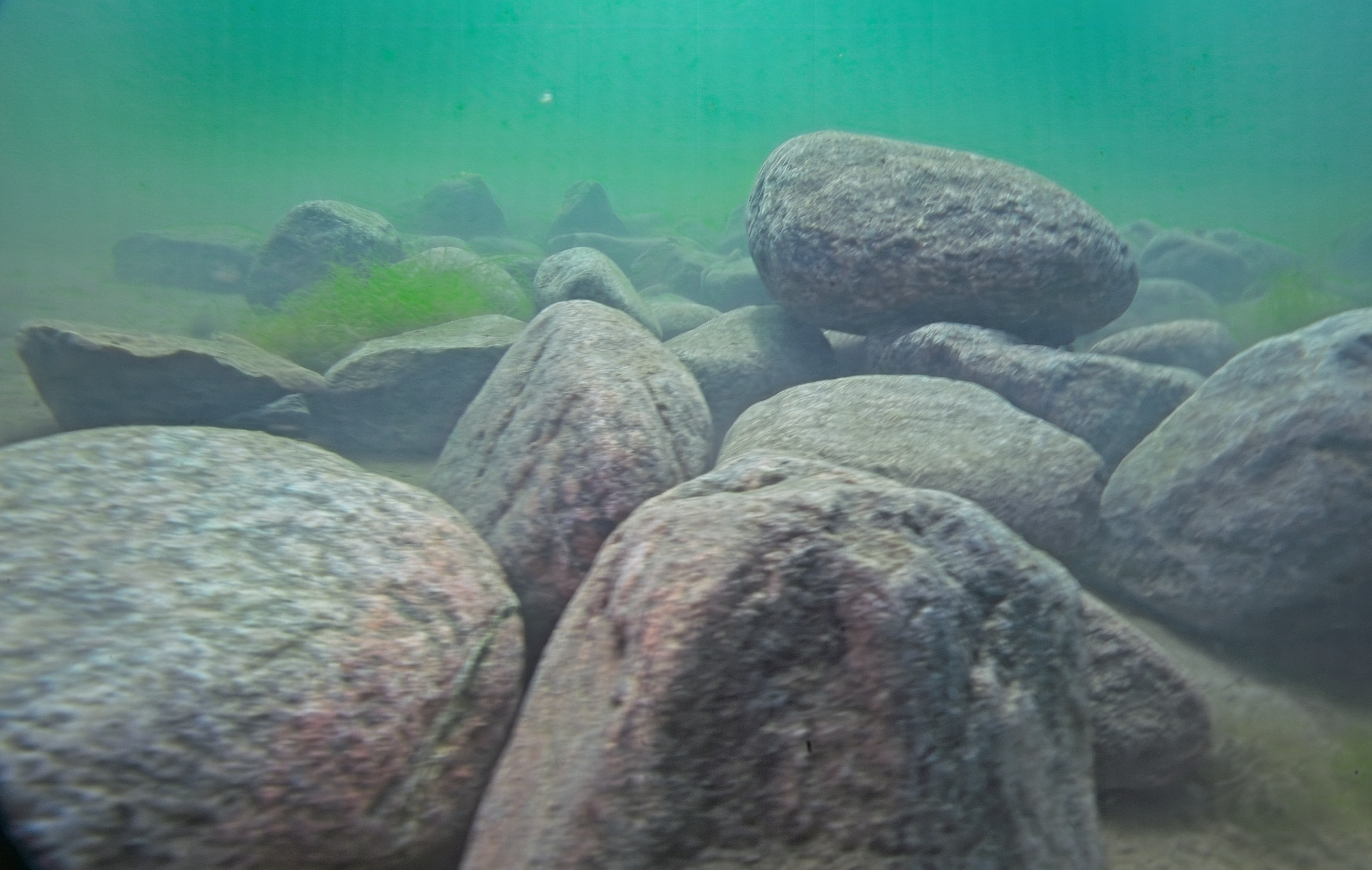
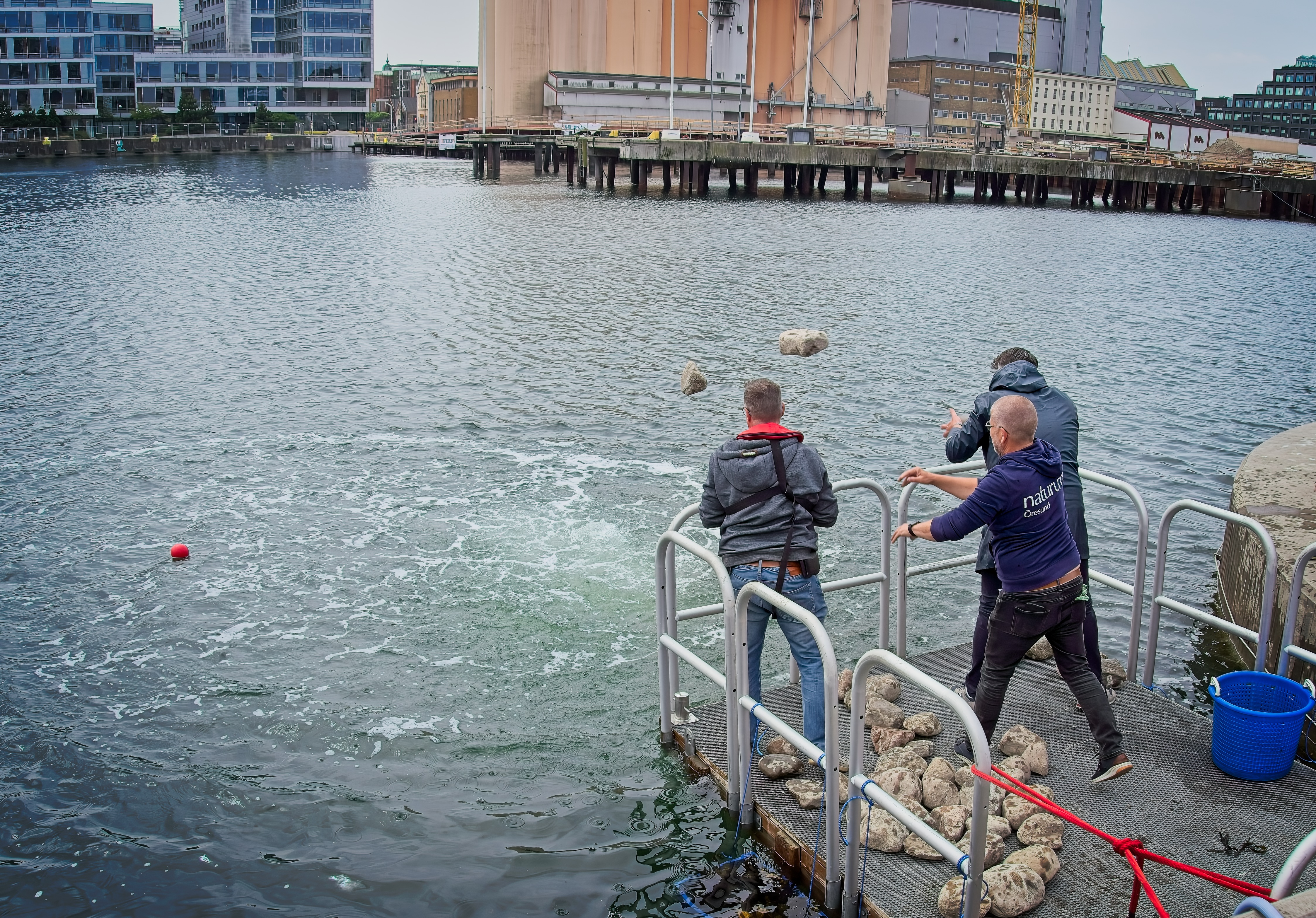
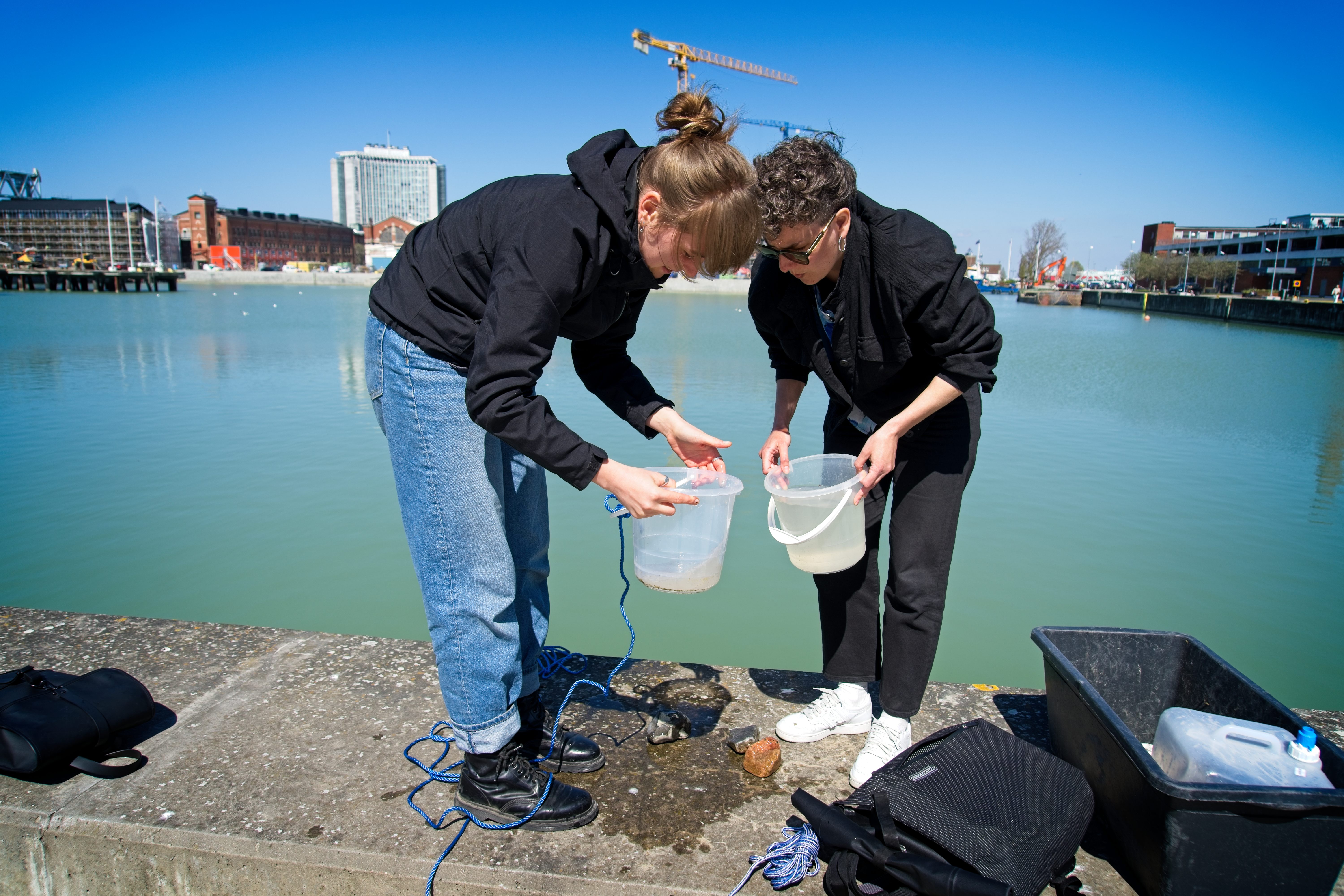
At the physical core of the pilot is a nature-based wellbeing reef installed in the South Wharf Basin. Designed through a process of co-design with citizens, scientists, artists and Ocean Ambassadors, the reef is a hybrid structure: an ecological intervention re-shallowing the basin and creating habitat for aquatic species and simultaneously a social and educational interface that invites people to build, observe and inhabit it alongside marine life. Since its installation, the reef has become home to blue mussels, algae, sea bristle worms and beaked tasselweed, providing tangible evidence of ecological recovery in an urban waterfront setting.
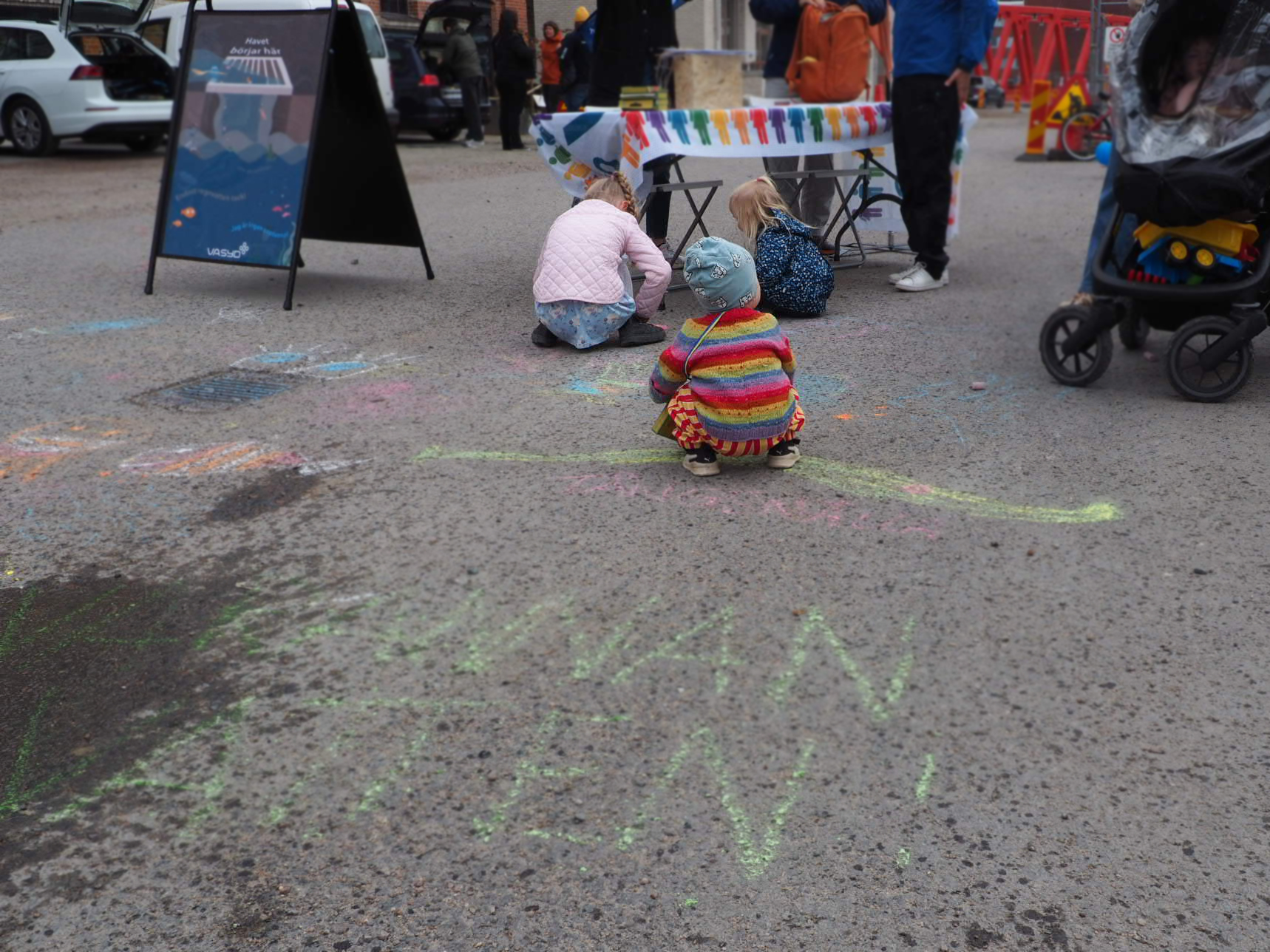
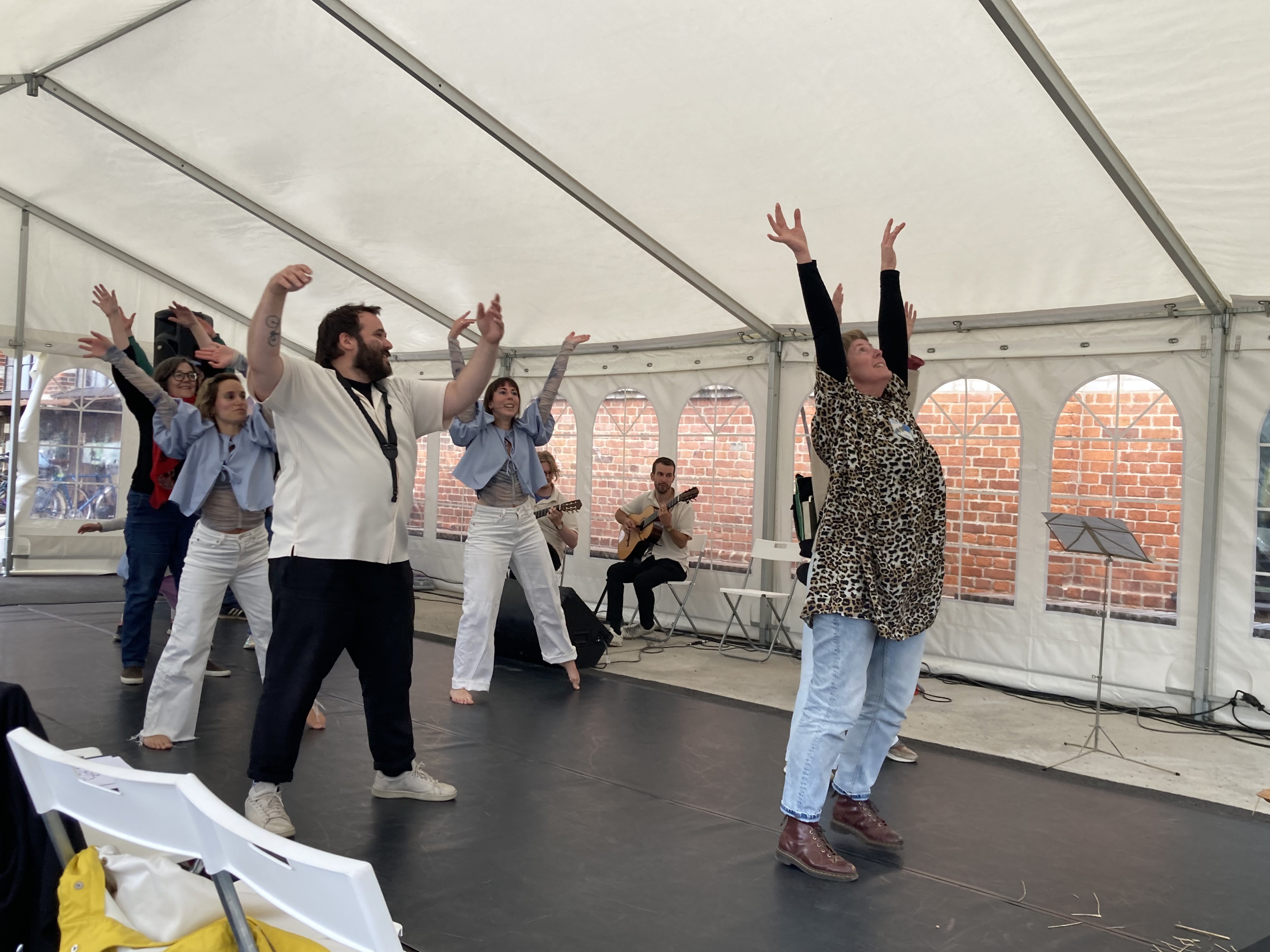
The reef was animated through two major World Ocean Day celebrations at the South Wharf Basin (June 2024 and June 2025), each drawing over 200 participants — citizens and tourists — for a day of performances, workshops and hands-on engagement with the reef and the broader marine environment. These events engaged people as co-agents of nature restoration, not merely as observers.
One of the artist collectives that emerged through these activities, Land Art i Skåne, has already secured follow-up funding to continue their work in the area.
Ocean Literacy and Public Programming
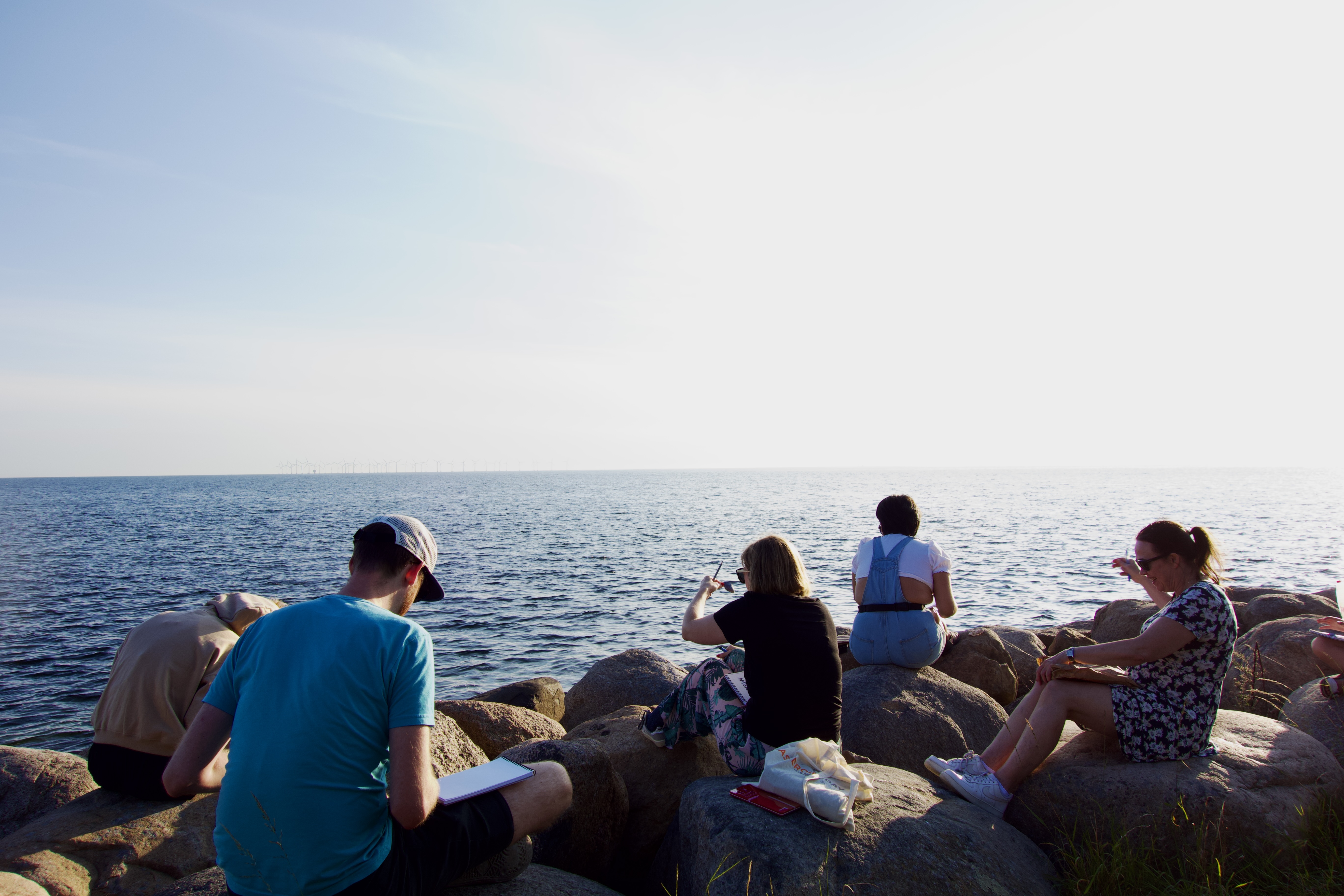
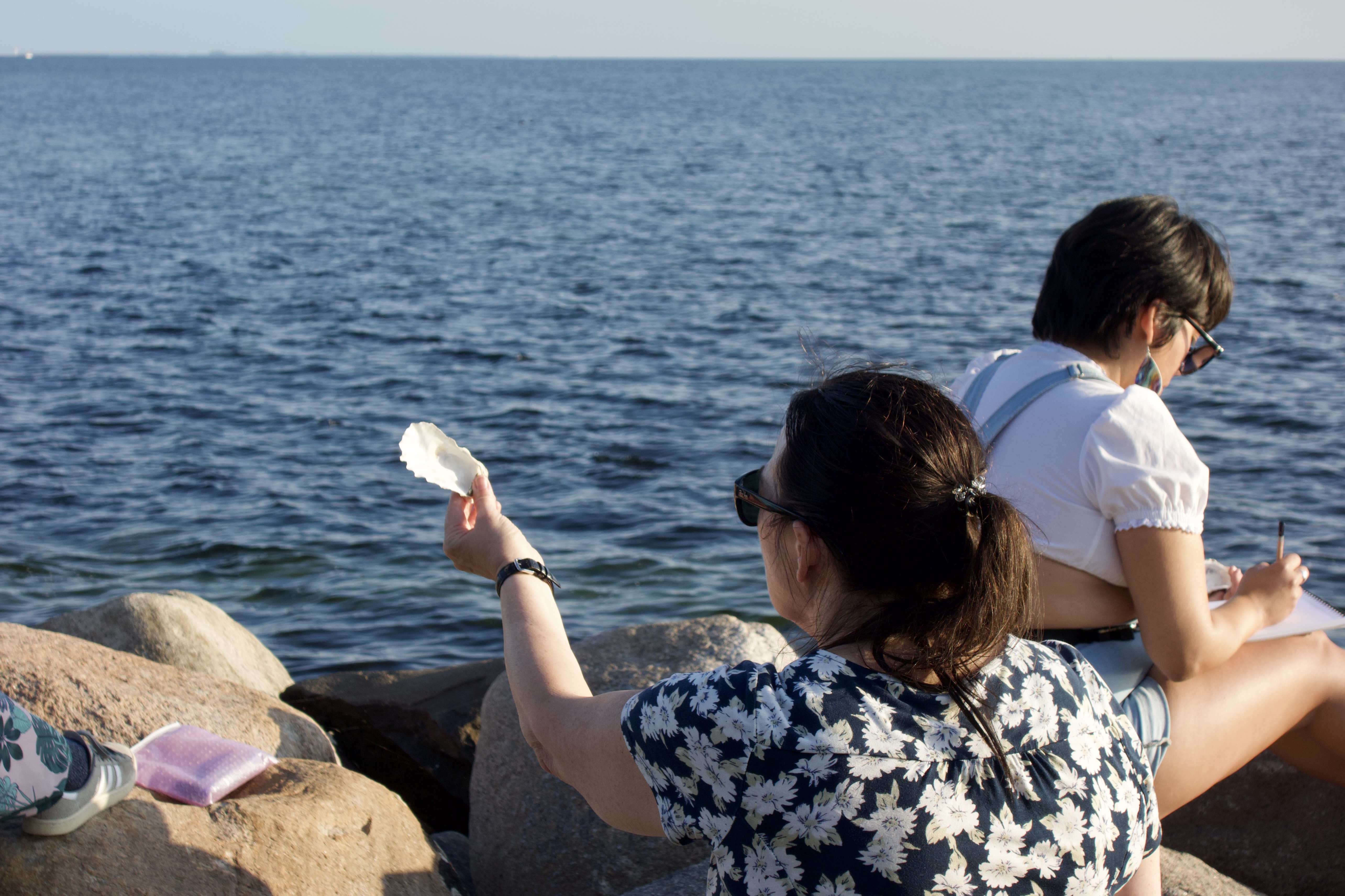
A structured programme of Ocean Literacy activities ran throughout the project, including workshops, guided experiences and educational events designed for a wide range of audiences. The Summer School in July 2024 — co-hosted as part of a UNESCO programme on Ocean Literacy for the Baltic and North Seas — brought 35 PhD students and early career researchers together for four BoS-designed workshops on nature-based solutions. The Creators Club for the Sea Ocean Ambassador community session in August 2024 deepened the local network's collective identity and forward momentum.
The broader Malmö Ocean Ambassadors community has grown into something that resembles a cultural cooperative in formation: a group with shared values, tools and a clear goal — the development of a future Ocean Culture Hub for Malmö, where the sea is treated not as a resource to be extracted but as a neighbour to be cared for.
Sea Forum and Zoöp Governance
The Malmö Sea Forum was reactivated in RP2 and played a central coordinating role in shaping pilot activities, integrating the reef and public programming into local institutional agendas. The Forum's work culminated in the signing of a Zoöp Memorandum of Understanding with local stakeholders — including the municipality, universities, civic associations and cultural actors — establishing a formal basis for continued collaboration and ecological governance beyond the project's end. Malmö City has since integrated the nature-based reef and related activities into its broader plans to activate the South Wharf Basin as a new public meeting space and attraction for visitors.
A follow-up funding pathway has been identified to continue developing the Ocean Culture Hub concept, providing a credible roadmap for the next phase of work in the New Harbour area.
The Ripples
Blue mussels, algae, sea bristle worms and beaked tasselweed have established themselves on the reef structure – a living demonstration of what happens when you give urban marine ecosystems the conditions they need. Two World Ocean Day celebrations drew more than 600 participants to the South Wharf Basin, making them co-agents in the reef’s story. Ocean Ambassadors reached a total of 890 citizens across the pilot period.
The Malmö Sea Forum was reactivated during the delivery phase and played a central role in shaping the pilot’s activities. Its work culminated in the signing of a Zoöp memorandum of understanding – a formal agreement between the municipality, local universities, civic associations and cultural actors, establishing a basis for continued collaboration around the basin and its ecology. This is one of the most concrete governance outcomes of the entire Bauhaus of the Seas Sails project.
The nature-based reef and its associated public programming have been integrated into the City of Malmö’s plans to activate the South Wharf Basin as a new public space – ensuring that the pilot’s physical and social outcomes will outlast the project.
What it Leaves Behind
Malmö leaves behind a reef, a governance model and a community. The artist collective Landart, formed through the project, has already secured follow-up funding to continue their work. The Ocean Ambassador community is exploring formalisation as a cultural cooperative. A pathway has been identified for the development of an Ocean Culture Hub at the South Wharf Basin. The Zoöp memorandum of understanding provides an institutional foundation for all of it.