Hamburg
RIVER ECOSYSTEM – THE ELBE
Hamburg, Germany's second-largest city and one of Europe's great port metropolises, has its cultural and economic life shaped by its relationship to the Elbe River and the North Sea beyond. The Elbe runs through the heart of the city and for centuries defined how Hamburg fed itself, how it traded and how it understood its place in the world. That relationship has frayed: industrial fishing has depleted the river’s stocks, traditional fishing communities have nearly disappeared and the ecological knowledge that was once embedded in everyday practice – which fish to eat, when, how and why – is at risk of being lost entirely.
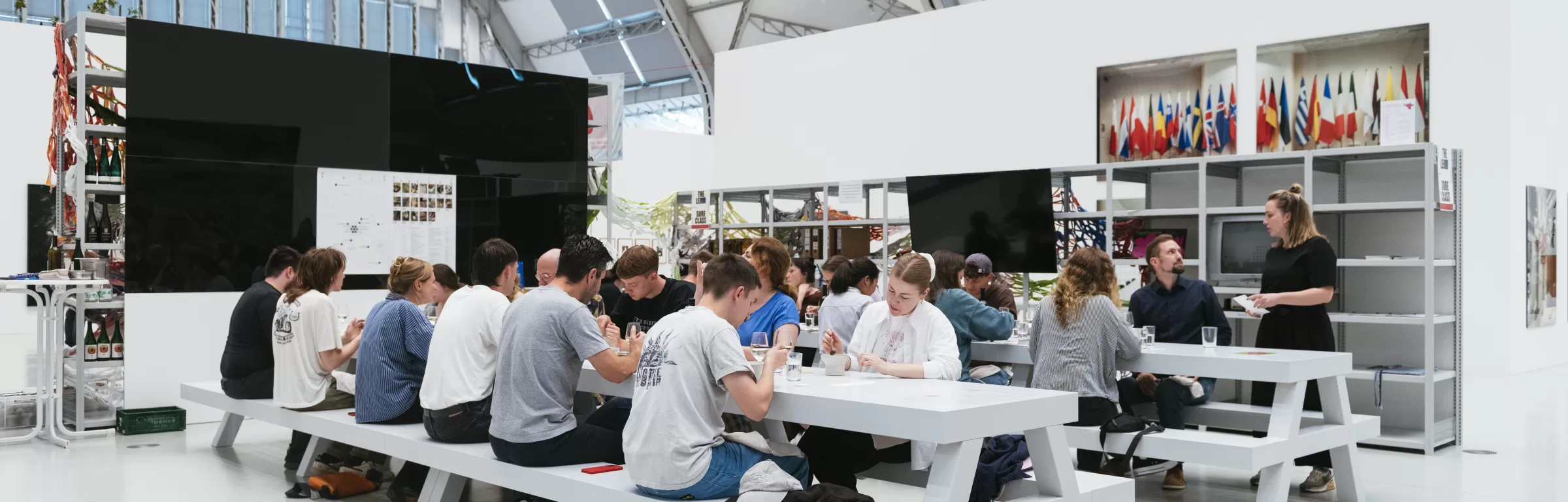
The Hamburg pilot was led by Deichtorhallen Hamburg, one of Germany’s largest contemporary art venues, where its flagship Survival in the 21st Century exhibition became a platform for a broader conversation about sustainability, ecology and the future of the Elbe, exploring how regenerative food practices, ecological knowledge and creative entrepreneurship can together redefine what it means to eat, cook and produce in a port city.
The demonstrator pilot The Fish knows Everything deployed Regenerative Menu and Ocean Literacy drops, bringing them to life through a distinctive combination of fellowship practice, public learning formats, documentary filmmaking and a digital platform.
The Drops
The Ocean Literacy drop in Hamburg took the form of an eco-gastronomy programme – using food as a lens through which to explore the ecological and cultural complexity of the river and its watershed.
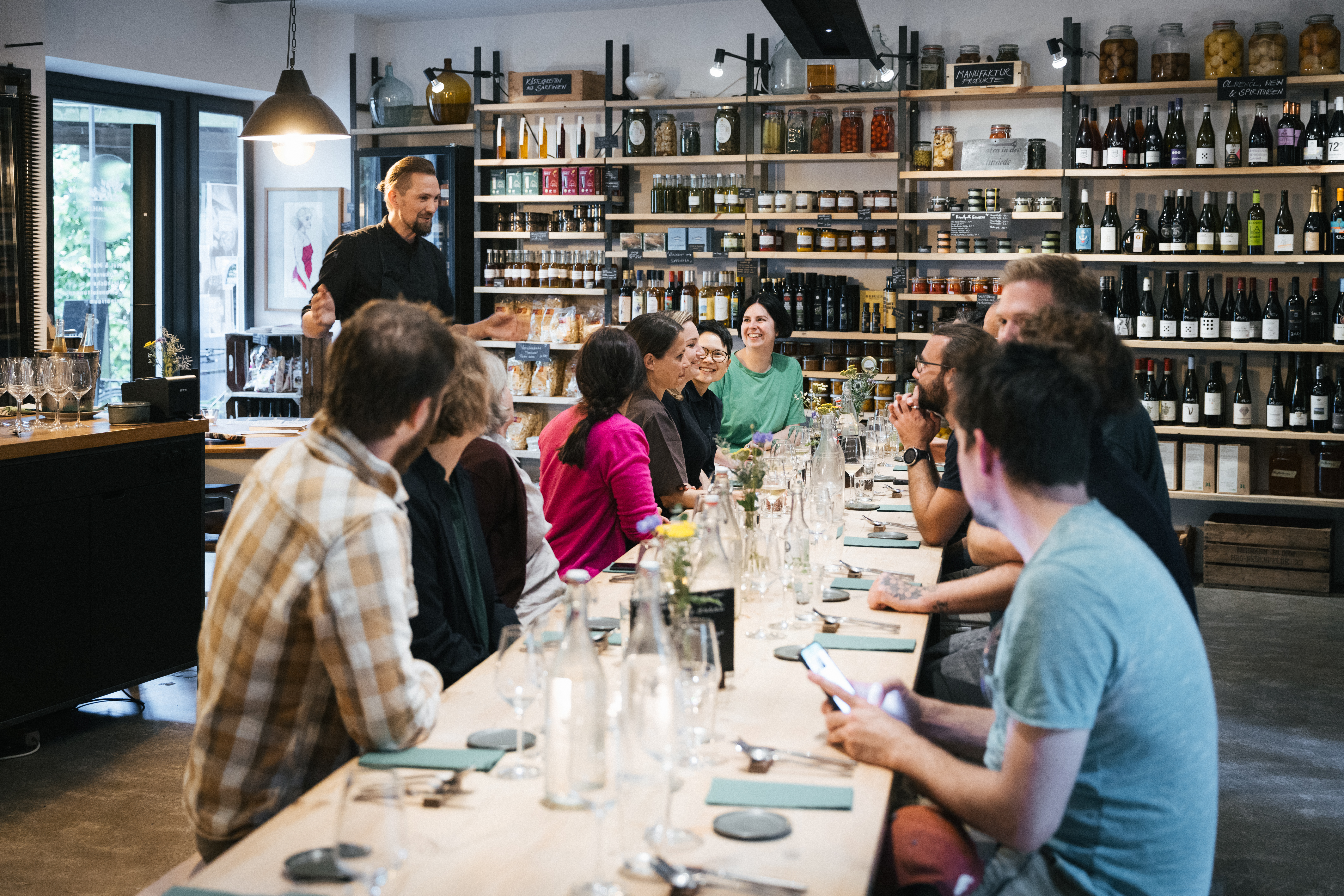
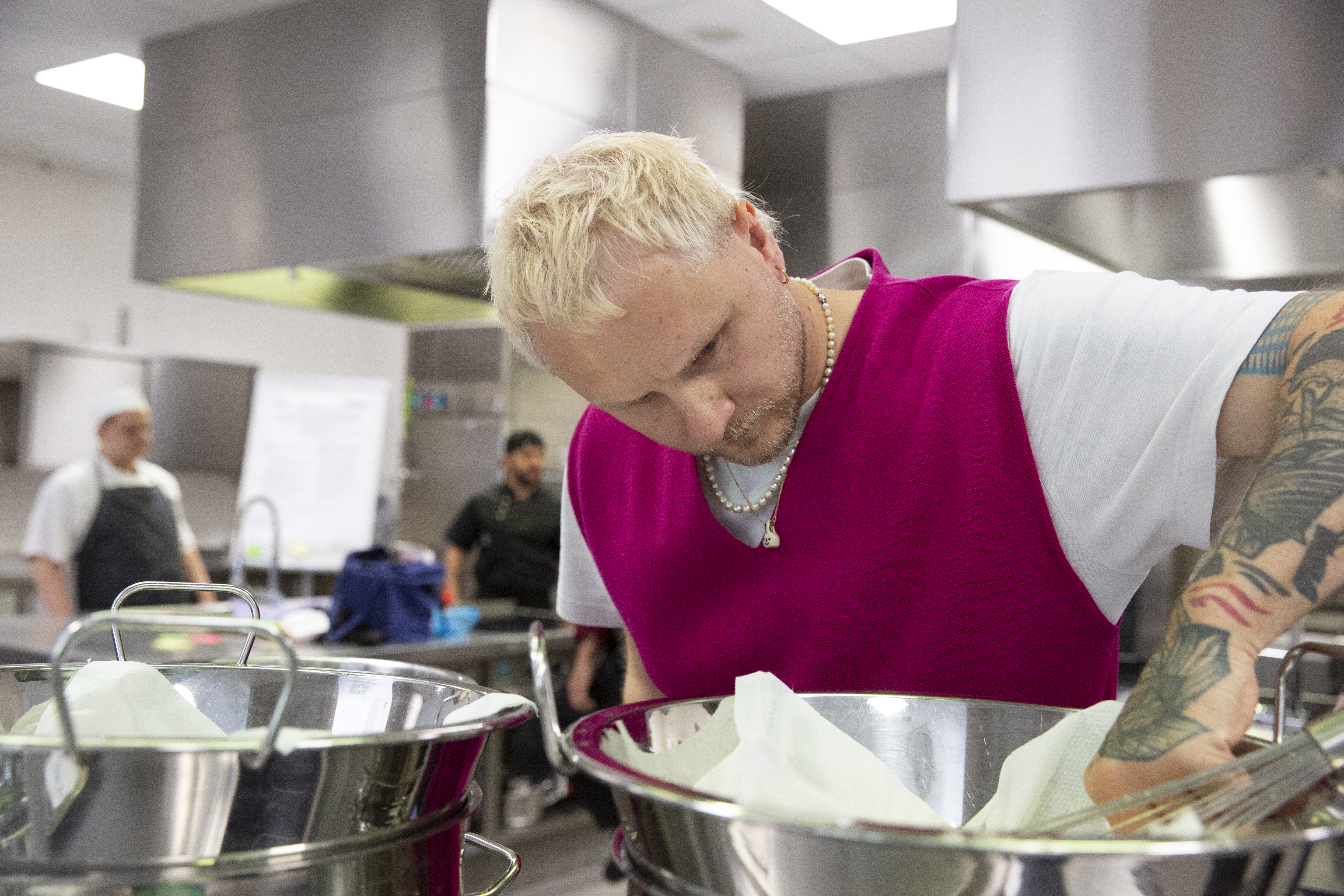
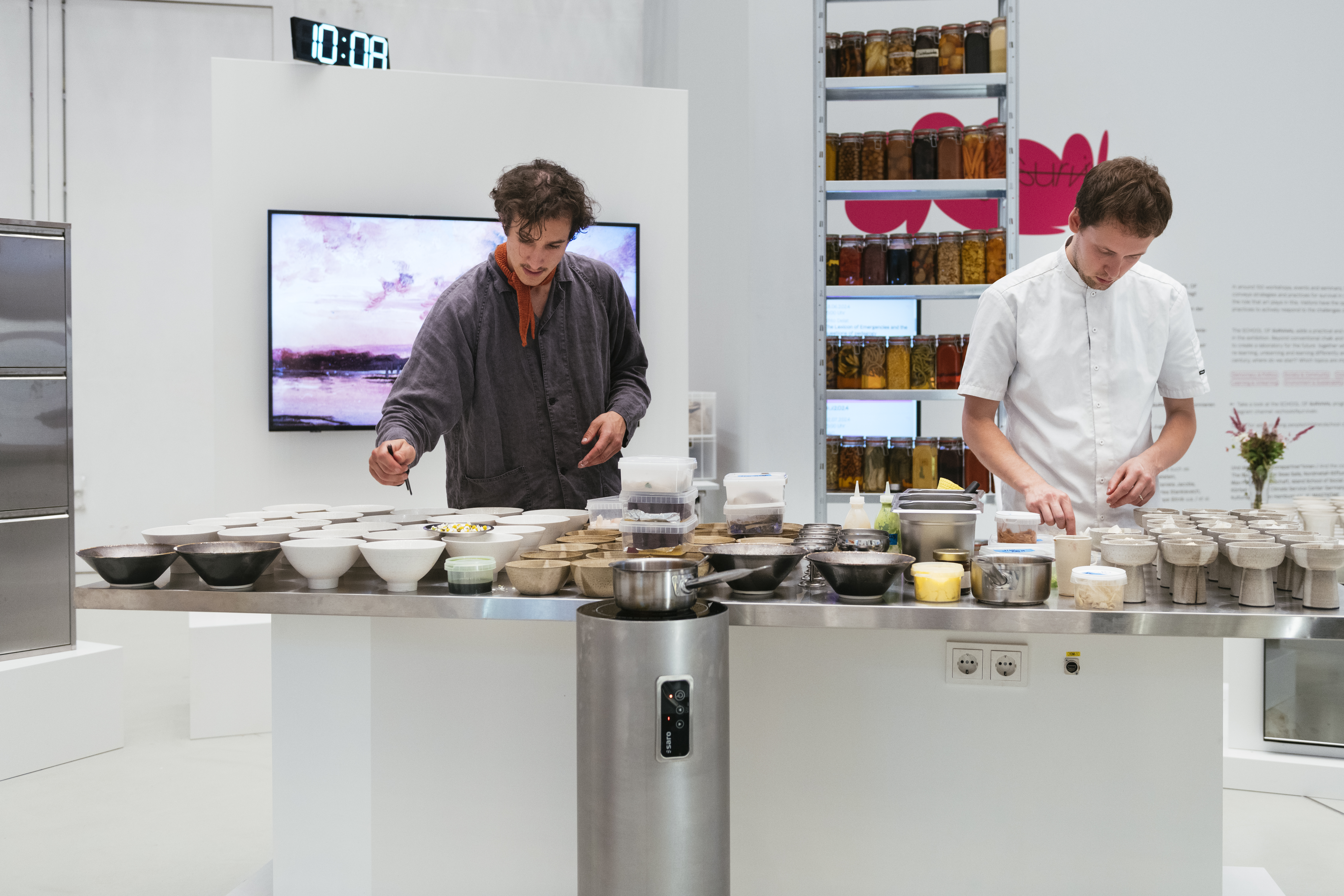
A Fellowship programme brought together seven selected fellows – local and international chefs, researchers and food producers – to develop practice-based work on regenerative food systems. Working with the specific ecology and food culture of Hamburg and the Elbe, fellows explored regenerative farming and fishing, salinised soil agriculture, fermentation, dual-purpose chicken rearing and the culinary possibilities of local herring. The fellowship was not just a research programme – it was a professional development process and the new techniques and recipes that emerged from it are now being served in the fellows’ restaurants.
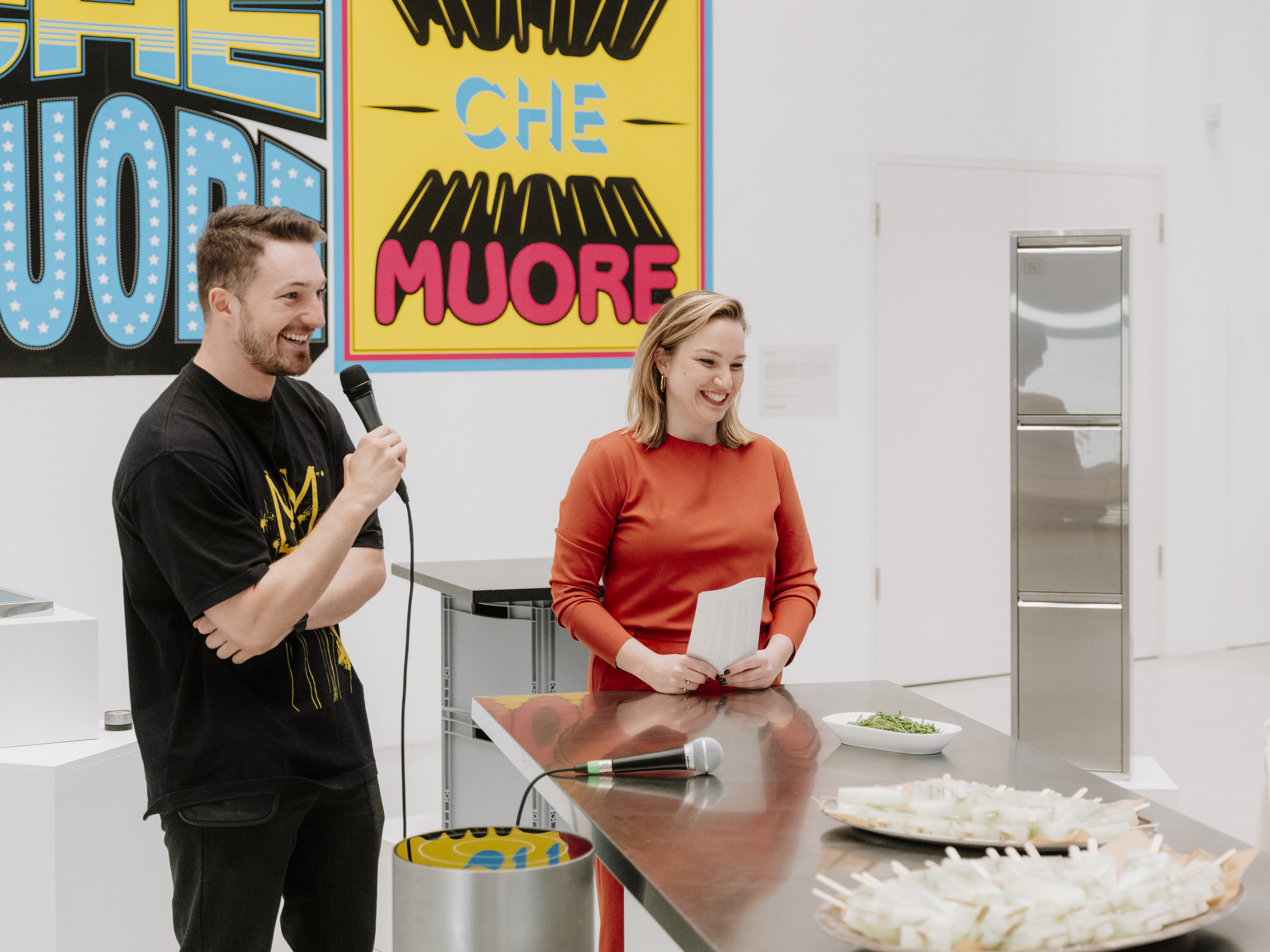
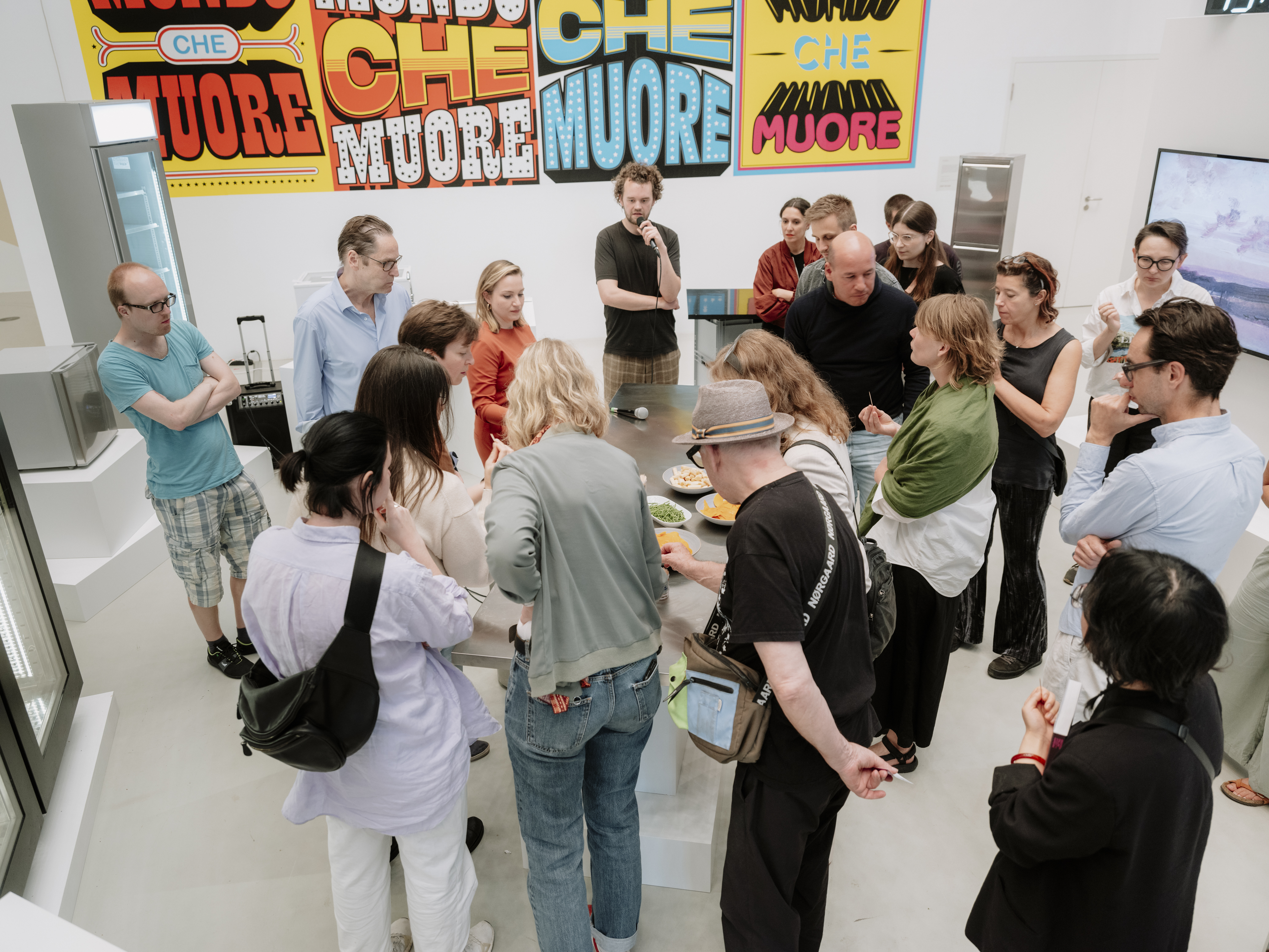
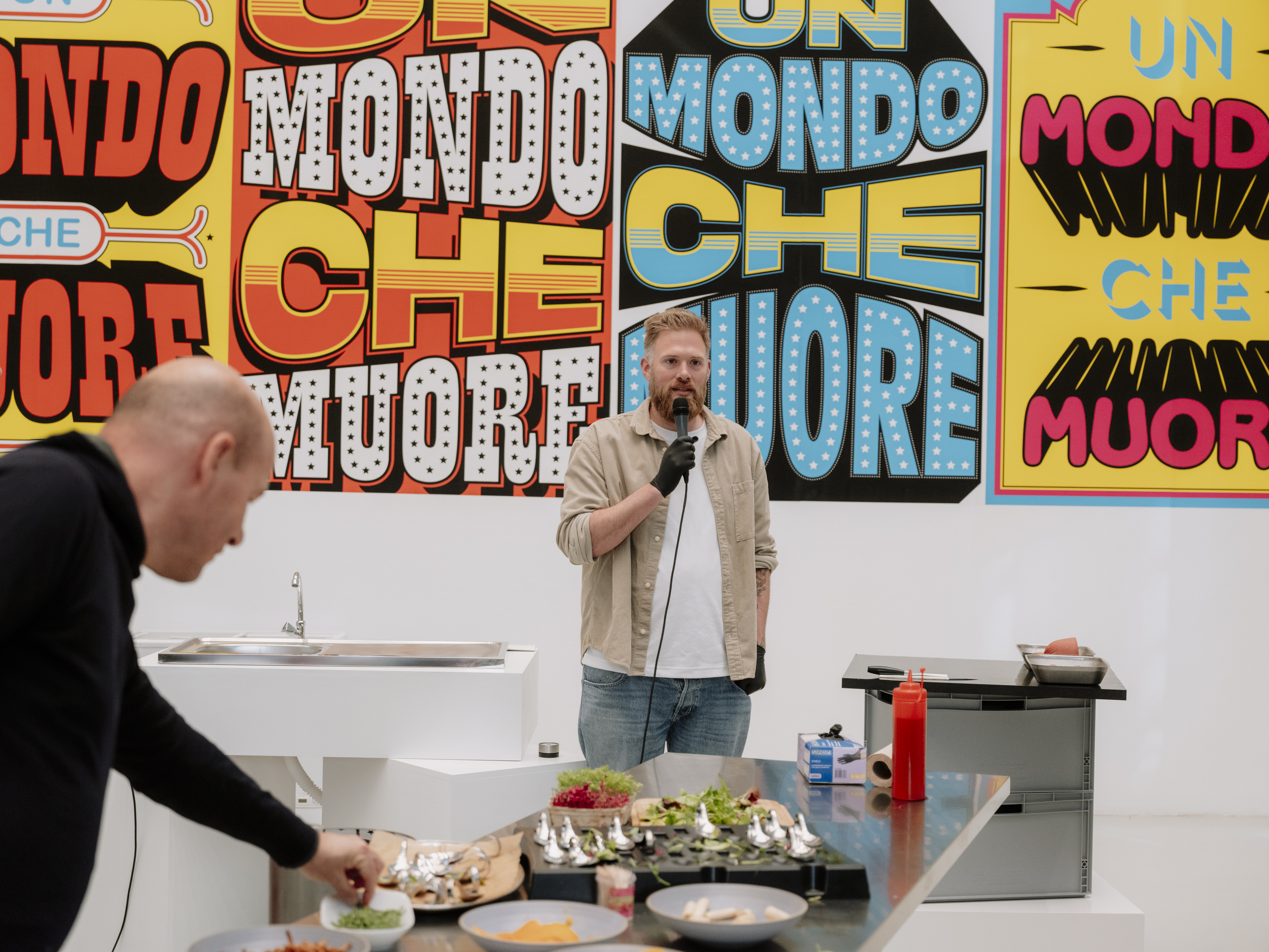
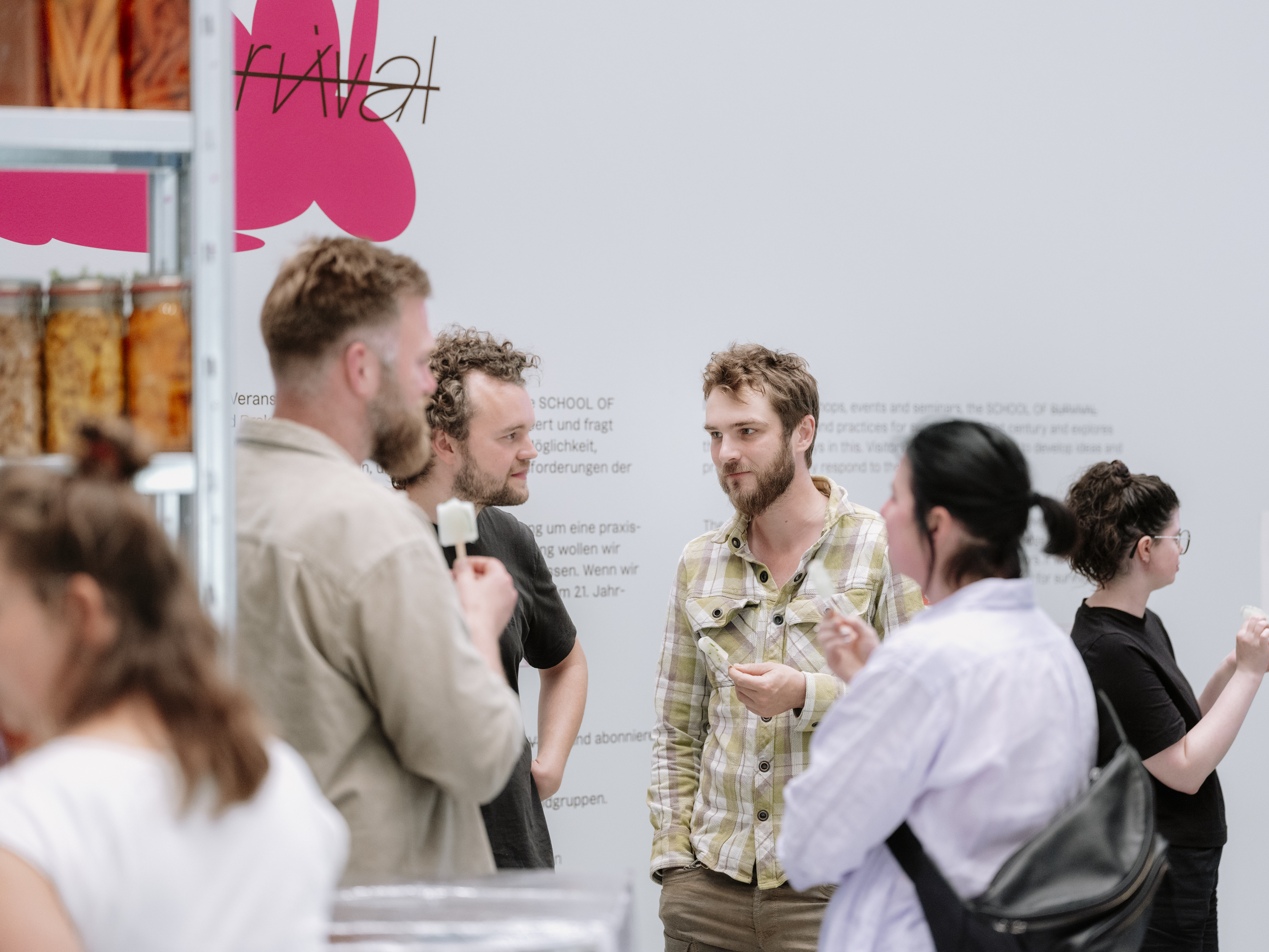
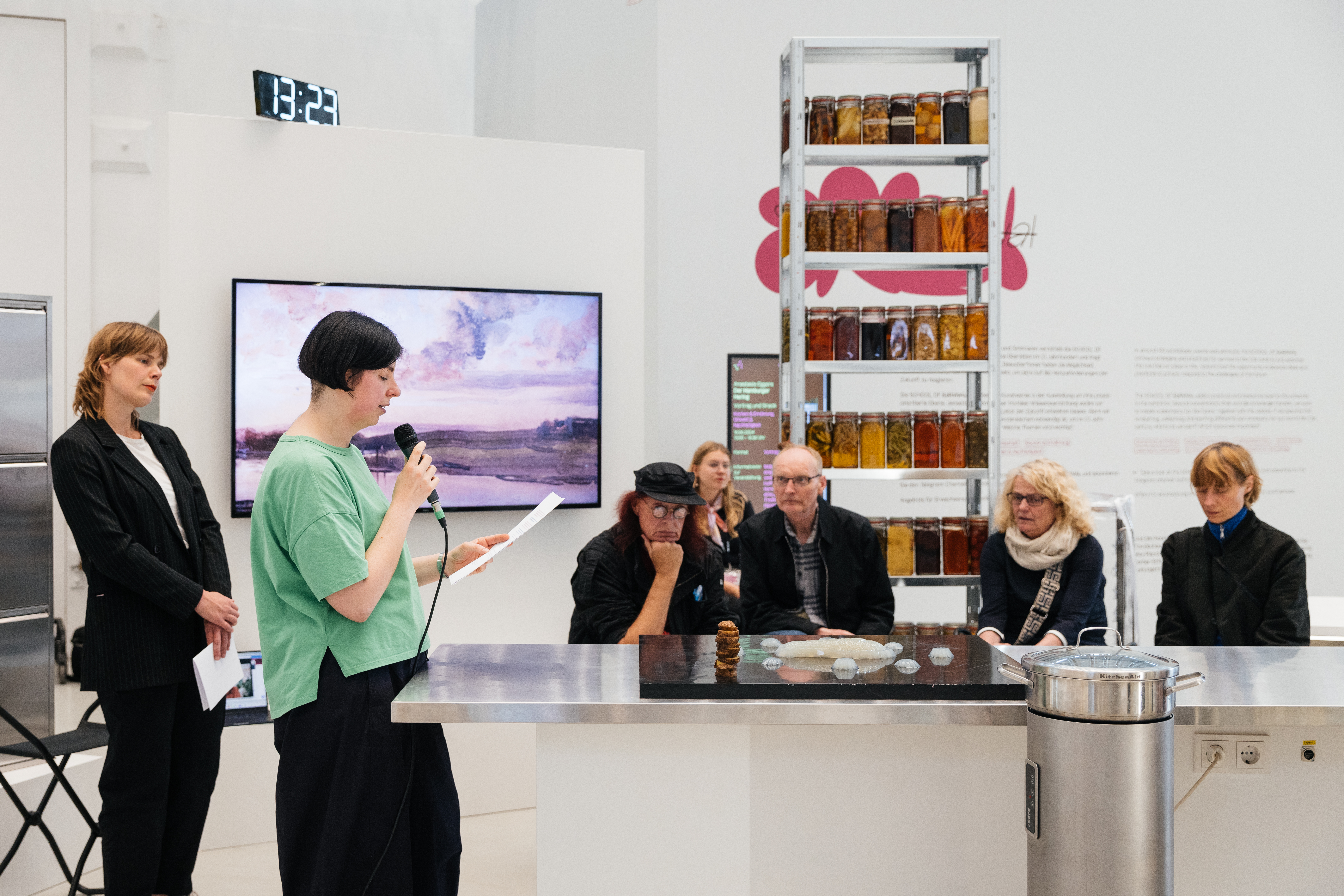
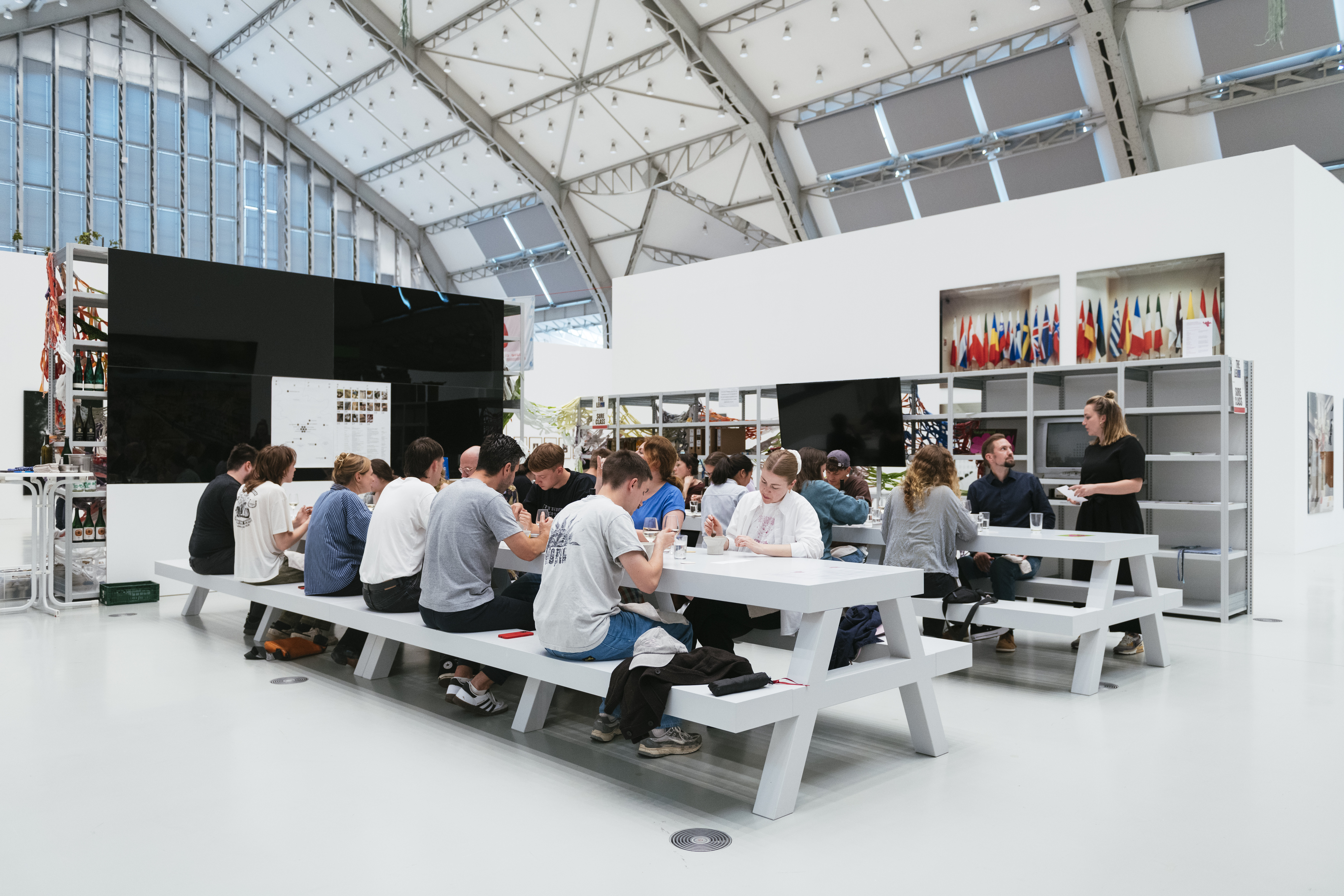
The School of Survival public programme translated the fellowship’s research into accessible learning experiences – workshops, cooking classes and knowledge-transfer sessions delivered at Deichtorhallen Hamburg as part of a major exhibition. Around 350 participants engaged with the programme, encountering the challenges of riverine and wetland ecosystems through the most immediate possible medium: food.
Fellowship Programme — Eco-Gastronomy in Practice
Seven fellows — local and international researchers, food producers and chefs — were selected through an open call to develop practice-based work on regenerative food in the Hamburg context. Over the course of their fellowships, they advanced new techniques (fermentation, dual-purpose chicken rearing, working with salinised soils and herring) and strengthened local networks of regenerative practitioners. Two of the fellows hold Green Michelin Stars, lending the programme both credibility and visibility within the city's culinary scene. New recipes developed during the fellowships are now being served in the fellows' restaurants, extending the project's reach into everyday Hamburgers' lives.

School for Survival — Public Learning and the Summer Course
Within the frame of Deichtorhallen's Survival in the 21st Century exhibition — which attracted 30,000 visitors overall — the pilot delivered a series of School for Survival food learning experiences. These workshops and educational tasting sessions translated the fellows' practice into accessible public formats, engaging approximately 350 participants in structured encounters with regenerative food.
Most notably, the pilot developed a Summer Course connecting the fellows with local culinary school students — approximately 25–30 per edition — in intensive hands-on sessions exploring fermentation, dual-purpose chicken and the ecological knowledge of Hamburg's river and wetland ecosystems. Several students report a clear intention to incorporate these techniques into their future professional practice. The Speaker for the Living and the fellows have committed to continuing the course beyond the project, with ambitions to integrate it into the culinary school's regular curriculum.
Documentary — "To Speak on Behalf of the Living"
A documentary film by Joe Sartorius and Katinka Versendaal served as a key instrument of cultural mediation. Screened as part of the pilot's public programming, the film offered audiences a deeply contextualised portrait of Northern European riverine and wetland ecosystems, centring the voices and knowledge of traditional fishermen whose practices are at risk of disappearing. By making this threatened ecological knowledge visible through a cinematic format, the documentary contributed to the pilot's Ocean Literacy objectives and connected the Elbe to a broader European conversation about rivers, food and the non-human lives that sustain us.
Digital Platform — The_knows everything
The online platform [the-knowseverything.org](http://the-knowseverything.org) curates the fellows' projects, recipes and related materials in an accessible educational format, functioning as a living archive of the regenerative practices developed during the pilot. The platform maintains the spirit of the "New Hanse" ambition at the pilot's heart — to make short food supply chains and local ecological knowledge visible and replicable — and will continue to be available beyond the project's end, subject to hosting arrangements agreed by Deichtorhallen Hamburg.
The Ripples
The documentary film To Speak on Behalf of the Living, by Joe Sartorius and Katinka Versendaal, provided cultural depth and context for the pilot’s work – telling the story of disappearing fishing practices and threatened ecological knowledge in Northern Europe and giving a human face to the ecological crisis the fellowship was responding to.
The online platform The_knows everything (the-knowseverything.org) curates the fellows’ projects, recipes and related materials, making the knowledge generated through the fellowship publicly accessible and keeping it in circulation beyond the project’s lifetime.
Two of the fellows hold Green Michelin Stars – an award for sustainable gastronomy – and have brought the techniques and relationships developed during the fellowship directly into their restaurants, expanding Hamburg’s emerging regenerative food scene.
What it Leaves Behind
Hamburg leaves behind a fellowship model, a documentary, a digital platform and a growing community of regenerative food practitioners. The Summer Course model – which connected fellows with culinary school students, enabling income diversification for the chefs and skills transfer for the students – is being continued beyond the project, with the possibility of integration into the culinary school’s regular curriculum. The Speaker for the Living and several fellows are committed to sustaining and expanding the community that Bauhaus of the Seas Sails helped to build.